Raising kids in Pennsylvania means keeping up with more than school schedules and pediatrician visits.
Every parent buckling a child into the back seat should understand the Pennsylvania law for booster seats, since these rules directly affect your child’s safety and your wallet if a police officer pulls you over. Here is a clear, updated breakdown for 2026.
What Pennsylvania Law Requires for Booster Seats
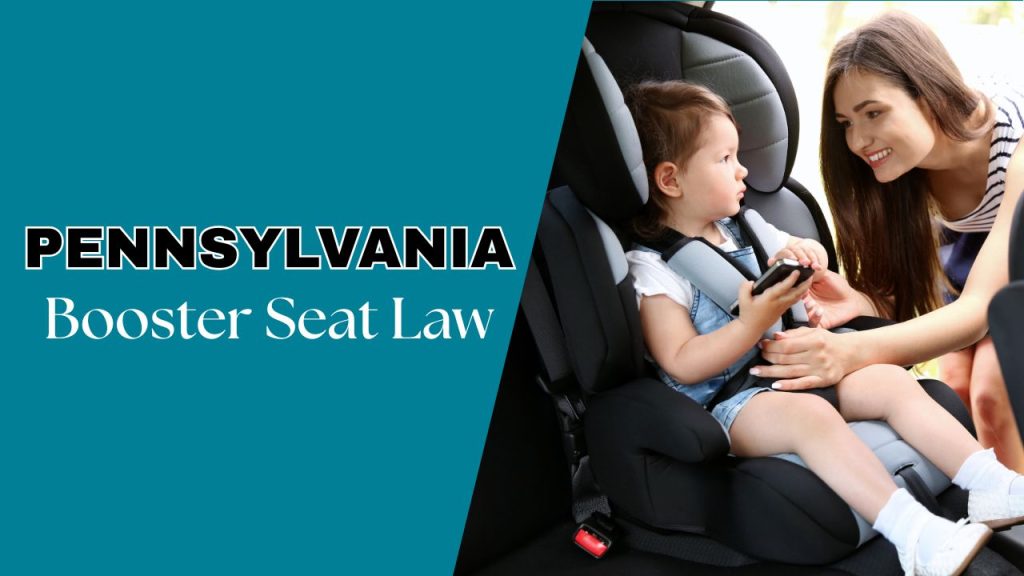
Under 67 Pa. Code Chapter 102 and the state Vehicle Code, children who are at least 4 years old but younger than 8 must ride in an appropriately fitting booster seat secured with a lap and shoulder belt. This applies no matter where in the vehicle the child sits, though PennDOT strongly recommends the back seat for every child under 13.
Age and Size Thresholds
A child can typically move out of a booster seat once they turn 8 years old, reach 57 inches in height, or weigh 80 pounds, whichever happens first, provided the adult seat belt fits them properly.
The lap belt should sit low across the upper thighs, and the shoulder belt should cross the chest and shoulder rather than the neck or stomach.
The Full Car Seat Progression in PA
Booster seats do not stand alone. Pennsylvania’s child passenger safety law lays out a full sequence:
Birth to age 2: a rear-facing car seat until the child outgrows the manufacturer’s height or weight limit.
Age 2 to 4: a forward-facing car seat with a harness.
Age 4 to 8: a belt-positioning booster seat.
Age 8 and older, or 57 inches, or 80 pounds: a standard lap and shoulder seat belt.
Exceptions Parents Should Know
Children between 4 and 8 who weigh less than 40 pounds may use an appropriate child restraint system instead of a booster, following the manufacturer’s guidance.
There is also an exception for older vehicles that were never equipped with shoulder belts in certain seating positions. A licensed physician may grant a medical exemption in rare cases where a child’s condition makes standard restraints unsafe.
Fines and Penalties for Non-Compliance
Officers can stop a vehicle solely for a suspected booster seat violation, since this is a primary enforcement law. A first offense typically carries a fine of $75 plus court costs, along with additional surcharges.
Pennsylvania offers a break to parents who act quickly. If you show the court proof that you purchased or obtained an appropriate booster seat before your hearing, the fine can be dismissed entirely.
Booster Seat Installation Tips for PA Parents
Getting the Fit Right
A booster seat is not installed like a car seat. It rests on the vehicle seat and simply raises the child so the adult belt lines up correctly.
Never route the shoulder belt under the arm or behind the back, and only use booster seats with a full lap and shoulder belt system, never a lap-only belt.
Free Help Is Available
Pennsylvania families do not have to figure this out alone. County-based car seat loan programs assist families who need equipment, and certified technicians offer free installation checks through organizations such as CHOP and the Traffic Injury Prevention Project. You can find a local inspection event or loan program through PAKidsTravelSafe.org or by calling 1-800-CAR BELT.
Final Thoughts for Pennsylvania Families
Booster seat rules can feel like one more thing to track, but they exist because seat belts alone are built for adult bodies, not for young children.
Following the Pennsylvania law for booster seats protects your child in a crash and keeps you clear of an avoidable citation.
When your child transitions between car seats, booster seats, or seat belts, check both the manufacturer’s limits and the state requirements before making the switch.