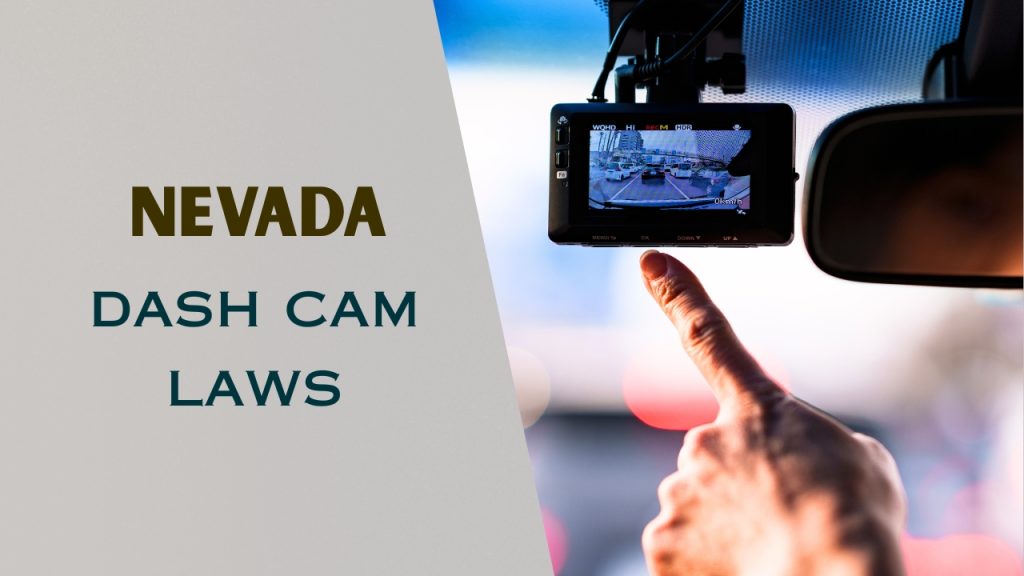
Many Las Vegas and Reno drivers install a dash camera for peace of mind after a crash or a dispute at an intersection. Understanding Nevada dash cam laws before you mount one helps you avoid a windshield obstruction citation or a privacy complaint.
Are Dash Cams Legal in Nevada?
Yes. Nevada does not ban dash cameras, and drivers throughout Henderson, Reno, and Las Vegas use them for accident documentation, insurance claims, and rideshare safety, as long as the device complies with windshield mounting rules and state recording laws.
Who Can Legally Install and Use a Dash Cam
Any private driver, rideshare operator, delivery driver, or commercial fleet in Nevada may install a dash cam. Rideshare and taxi drivers in Las Vegas commonly use them to document passenger interactions, though many companies layer their own policies on top of state law.
No license or permit is required to own or operate a dash cam in Nevada. The main legal restrictions involve where the device sits on the windshield and how recorded audio is handled. Drivers of rental or employer-owned vehicles should also check their agreement, since some prohibit aftermarket windshield attachments even where state law allows them.
Windshield Placement and Mounting Rules
Nevada restricts objects mounted on the windshield that obstruct the driver’s clear view of the road, under the state’s traffic code governing windshield obstructions. Dash cams are generally permitted only in a limited mounting zone, typically behind the rearview mirror or in a lower corner of the glass, so the driver’s sightline stays clear.
Flag for verification: the exact permitted mounting zone and any size limits under Nevada’s windshield obstruction statute should be confirmed against current Nevada Revised Statutes, since officers in Reno and Las Vegas may interpret “clear view” differently.
Mounting low near the dashboard, rather than high on the glass, is the safest way to avoid an obstruction stop.
Recording and Privacy/Consent Laws
Nevada law addresses the recording of private communications, which matters if a dash cam captures interior audio, such as conversations with passengers.
Nevada is generally treated as a one-party consent state for recording conversations, meaning the driver can typically record without notifying every other party, as long as they are a participant in the conversation. Nevada courts have interpreted the wiretapping statute this way, though the statutory text has drawn some debate.
Flag for verification: the precise statutory language and any recent appellate rulings on one-party versus all-party consent should be confirmed before publication, since this affects rideshare drivers who record passengers.
Exterior video of public roads carries no expectation of privacy and is not restricted the way interior audio is.
Penalties for Misuse or Improper Installation
A dash cam mounted in a way that blocks the driver’s view can result in a citation for a windshield obstruction violation, typically a minor moving violation with a fine. Recording private conversations without proper consent under Nevada’s wiretapping law can carry more serious consequences, potentially including criminal charges.
Flag for verification: exact fine amounts for obstruction citations and the criminal penalty classification for unlawful recording should be confirmed against current Nevada Revised Statutes before publication.
Final Thoughts
Dash cams are a useful tool for Nevada drivers, whether navigating Las Vegas traffic or Reno’s winter roads. Mounting the camera properly and understanding the state’s consent rules for interior audio helps drivers avoid legal trouble.
This article is for informational purposes only and does not constitute legal advice. Consult a licensed Nevada attorney for guidance specific to your situation.