
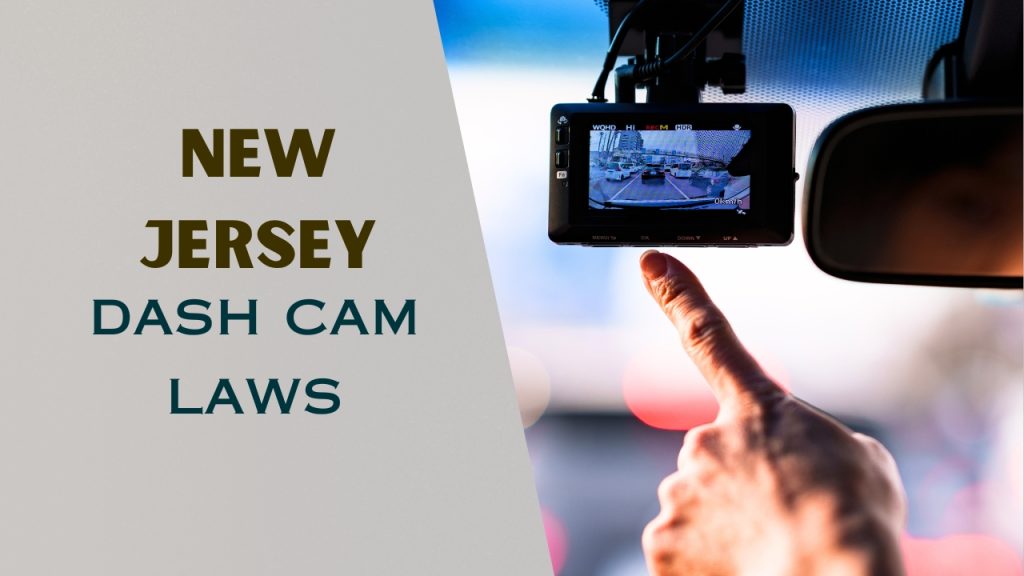
Drivers in Newark, Jersey City, and Trenton are increasingly installing dashboard cameras for accident evidence and insurance protection. Before mounting one, it helps to understand New Jersey dash cam laws, since state rules govern where a camera sits, what it can record, and how footage may be used.
New Jersey Dash Cam Laws at a Glance
New Jersey does not have a law written specifically for dash cameras. Instead, dash cam use falls under existing windshield obstruction statutes and the state’s wiretapping act. Together, these laws shape where a camera can go and whether audio recording is permitted.
Who Can Legally Install and Use a Dash Cam
Any licensed driver in New Jersey may install and operate a dash cam in a personal vehicle. There is no permit requirement. Rideshare and delivery drivers in cities like Camden or Elizabeth commonly use them, and commercial fleets often install multi-camera systems for liability documentation. Renters and leased-vehicle drivers should check their agreement before drilling or adhesive-mounting hardware.
Windshield Placement and Mounting Rules
New Jersey restricts objects that obstruct a driver’s clear view through the windshield. Dash cams are generally allowed if mounted in a small area near the top center of the glass, behind the rearview mirror, similar to an E-ZPass transponder or GPS unit.
The exact permissible obstruction area and mounting dimensions under New Jersey’s motor vehicle equipment statutes have not been independently verified here and should be confirmed against current code before publication.
Suction-cup or adhesive mounts are both acceptable as long as the device does not block the driver’s forward sightline or interfere with airbag deployment zones.
Recording, Privacy, and Consent Laws
New Jersey is a one-party consent state under the New Jersey Wiretapping and Electronic Surveillance Control Act. This means video and audio may be recorded as long as one party to the conversation, including the driver, consents. A driver recording their own trip does not need permission from passengers or people outside the vehicle.
However, recording conversations where none of the parties involved are aware, such as placing a hidden microphone to capture others’ private discussions, can cross into unlawful surveillance. Dash cams used only to capture the road, traffic incidents, or in-cabin footage of the driver’s own trip typically stay within legal bounds.
Drivers in Trenton or Camden who rent out vehicles through peer-to-peer apps should disclose any interior-facing camera to renters to avoid privacy disputes.
Penalties for Misuse or Improper Installation
Improper windshield mounting that obstructs the driver’s view can result in a motor vehicle equipment violation and a fine.
Violating the wiretapping act through unauthorized audio interception can carry more serious consequences, potentially including criminal charges. Specific fine amounts and penalty classifications under New Jersey’s wiretapping statute were not independently verified for this article and should be checked against the current statutory text.
Final Thoughts
Dash cams offer valuable protection for New Jersey drivers, from documenting accidents on the Turnpike to resolving parking disputes in Jersey City. Staying within windshield placement rules and one-party consent recording laws keeps footage both useful and legally sound.
This article is for informational purposes only and does not constitute legal advice. Consult a licensed New Jersey attorney for guidance specific to your situation.