
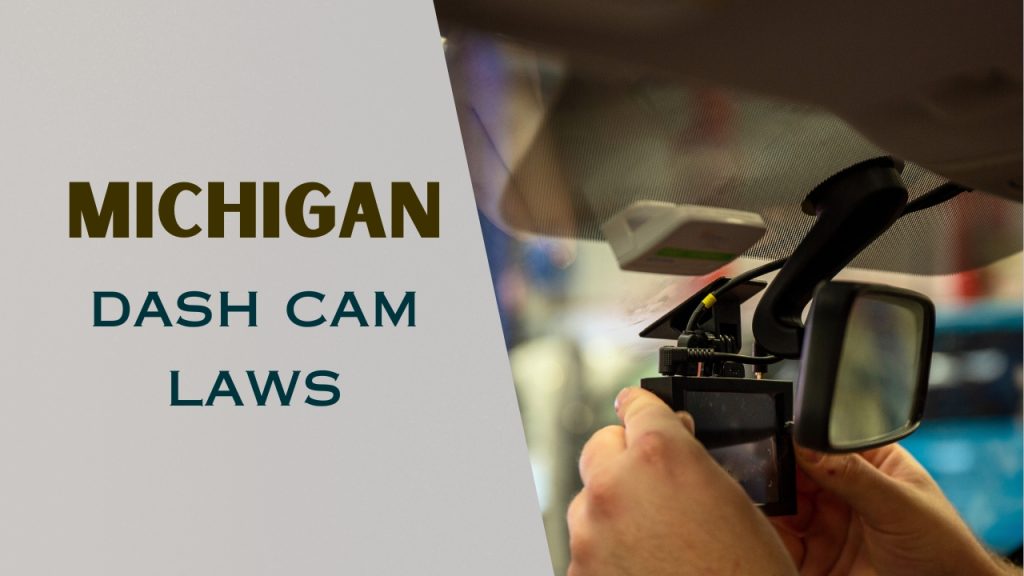
Drivers in Detroit, Grand Rapids, and Lansing increasingly rely on dash cams to document accidents and protect themselves on the road. Understanding Michigan dash cam laws helps drivers avoid citations while using this technology responsibly. From mounting placement to audio recording, state rules shape how these devices can be legally used.
Are Dash Cams Legal in Michigan
Dash cams are legal to own and use in Michigan. There is no statute banning the devices outright. However, Michigan regulates where a dash cam can be mounted and how recorded footage, particularly audio, may be collected and used.
Who Can Legally Install and Use a Dash Cam
Any driver, passenger, or vehicle owner in Michigan can install a dash cam for personal use. This includes rideshare drivers, commercial truckers, and everyday commuters. Rideshare and delivery drivers should note that platform policies may add extra disclosure requirements beyond state law, especially around passenger recording.
Parents and fleet owners also commonly use dash cams to monitor teen drivers or company vehicles. As long as placement and recording rules are followed, there is no license or registration needed to operate one.
Windshield Placement and Mounting Rules
Michigan restricts objects that obstruct a driver’s clear view through the windshield under the state’s obstructed vision statute. Devices are generally expected to sit outside the driver’s direct sightline, often near the top center or a lower corner of the windshield.
The exact permitted dimensions and mounting zone for windshield-mounted devices in Michigan should be verified against current statutory language before publication, since precise measurements can change and enforcement discretion varies by jurisdiction.
To stay safe, mount the dash cam behind the rearview mirror or in a corner where it does not block your view of the road, pedestrians, or traffic signals.
Recording, Privacy, and Consent Laws
Michigan is a one-party consent state for audio recording under its eavesdropping law. This means at least one person involved in a conversation, which can be the driver operating the dash cam, must consent to being recorded. Recording a private conversation you are not part of, without any participant’s consent, can violate state eavesdropping statutes.
Video recording in public spaces, including while driving, generally does not require consent since there is no reasonable expectation of privacy on public roads. Recording inside private spaces visible through a vehicle window, such as a home’s interior, raises separate privacy concerns and should be avoided.
Rideshare drivers using dash cams with audio should consider posting a visible notice or verbally informing passengers, since some platforms require this even though state law may not.
Penalties for Misuse or Improper Installation
Improperly mounting a dash cam that obstructs the driver’s view can result in a traffic citation under Michigan’s obstructed vision law. Officers may issue a fine, and repeated violations can affect a driver’s record.
Violating Michigan’s eavesdropping statute through unauthorized audio recording can carry criminal penalties, potentially including fines and jail time depending on the circumstances. The specific fine amounts and jail terms tied to eavesdropping violations should be independently verified against current Michigan Compiled Laws before relying on them in published content.
Final Thoughts
Dash cams offer real benefits for Michigan drivers, from accident documentation to peace of mind. Following windshield placement rules and understanding one-party consent for audio recording helps drivers use these devices without running into legal trouble.
This article is for informational purposes only and does not constitute legal advice. Consult a licensed Michigan attorney for guidance specific to your situation.