
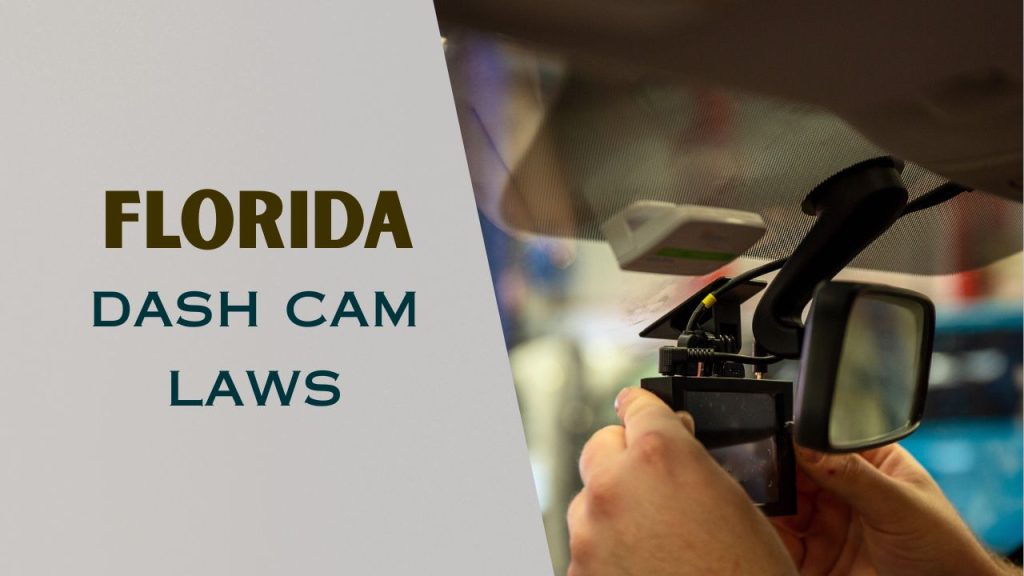
Many drivers in Miami, Orlando, and Tampa are turning to dash cameras, which is why Florida dash cam laws have become a common search topic for anyone wanting solid evidence after a crash. These devices can protect drivers from fraud, support insurance claims, and clarify fault after an accident. But Florida has specific rules about how dash cams can be mounted, used, and how recordings can be shared.
Are Dash Cams Legal in Florida
Dash cams are legal to use in Florida. There is no statewide law banning drivers from recording their surroundings while operating a vehicle. Many law enforcement agencies and rideshare drivers in cities like Jacksonville and Fort Lauderdale already use them.
However, legality depends on how the camera is installed and how footage is handled afterward, especially regarding audio recording and windshield placement.
Who Can Legally Install and Use a Dash Cam
Any licensed driver in Florida can install and use a dash cam in a personal or commercial vehicle. Rideshare and delivery drivers commonly use them for liability protection.
Employers who require dash cams in company vehicles should have a written policy addressing footage storage and employee privacy, since some recordings may capture conversations subject to consent laws.
Windshield Placement and Mounting Rules
Florida Statute 316.2004 restricts objects that obstruct a driver’s clear view through the windshield. Dash cams should be mounted where they do not block the driver’s line of sight.
Placement suggestions include:
- Behind the rearview mirror
- A small mounting area near the top center of the windshield
- Avoiding the lower dashboard area
Because exact obstruction thresholds can vary by interpretation, drivers in cities like Tallahassee or St. Petersburg should verify current placement guidance with local law enforcement or the Florida Department of Highway Safety and Motor Vehicles before installation.
Recording, Privacy, and Consent Laws
Florida is a two-party consent state under Florida Statute 934.03, meaning all parties to a private conversation generally must consent before it can be legally recorded. This matters for dash cams with audio recording features.
Video recording of public roads generally does not require consent, since there is no reasonable expectation of privacy on a public street. Audio recording inside a vehicle, especially conversations involving passengers who have not agreed to it, carries more legal risk.
Drivers should disable audio recording or inform passengers when it is active, particularly for rideshare and delivery vehicles operating in areas like Sarasota or West Palm Beach.
Penalties for Misuse or Improper Installation
Improper windshield mounting that obstructs the driver’s view can result in a traffic citation under Florida’s obstruction statute. Fines vary by county and should be confirmed with local traffic court resources.
Recording private conversations without consent can lead to more serious consequences. Violating Florida’s wiretapping law can result in criminal charges, including potential felony liability, along with civil lawsuits for damages.
Note that these penalty ranges are approximate. Readers should verify current fine amounts and charge classifications through official Florida Statutes or a local court before relying on them.
Final Thoughts
Dash cams are a useful tool for Florida drivers, offering protection in accidents, disputes, and insurance claims. Staying compliant means paying attention to windshield placement rules and audio consent requirements, particularly in shared or commercial vehicles.
This article is for informational purposes only and does not constitute legal advice. For guidance specific to your situation, consult a licensed attorney in Florida or refer to official state resources.