
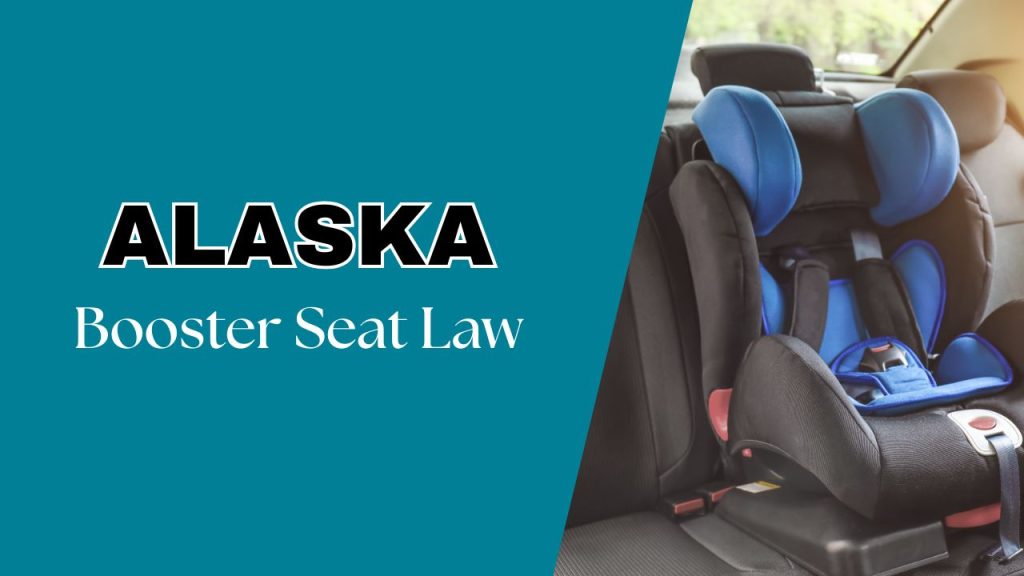
Raising kids in Alaska means dealing with icy roads, long drives, and unpredictable weather, which makes car safety more important than almost anywhere else in the country.
If you have ever searched for the exact Alaska law for booster seats, this guide breaks it down in plain language so you can travel with confidence and stay on the right side of the law.
What Does Alaska Law Say About Booster Seats
Under Alaska Statute 28.05.095, drivers must properly secure every child riding in a vehicle based on age, height, and weight. The booster seat rule specifically applies to kids who have outgrown a forward-facing harness seat but are not yet big enough for a regular seat belt alone.
Booster Seat Requirements by Age and Size
Ages 4 Through 7
A child over 4 years old but under 8 years old must ride in a booster seat if they are under 57 inches tall and weigh less than 65 pounds. The booster must be used with the vehicle’s lap and shoulder belt, and it should position the belt correctly across the chest and hips rather than the neck or stomach.
When a Child Can Stop Using a Booster
Once a child turns 8, or reaches 57 inches in height, or reaches 65 pounds, whichever happens first, Alaska law allows them to transition to a regular seat belt. Even so, safety experts recommend keeping kids in a booster a bit longer if the adult seat belt still does not fit them properly.
Penalties for Violating Alaska Booster Seat Law
Failing to properly secure a child under the required age and size can lead to a fine of up to $50. Officers generally need probable cause to stop a vehicle for this type of violation alone. First-time violations may be corrected by showing proof of a proper child restraint, but repeated issues can lead to additional consequences.
Why Booster Seats Matter for Alaska Families
Road and Weather Conditions
Alaska drivers deal with gravel roads, black ice, moose crossings, and long stretches between towns. A crash far from a hospital in Fairbanks, Anchorage, or the Mat-Su Valley can turn into a serious emergency quickly, which is exactly why a correctly fitted booster seat matters so much here.
Rideshares, Taxis, and Rentals
Alaska does not exempt taxis or rideshare vehicles from booster seat requirements. If you are flying into Anchorage and grabbing a rental car or an Uber, bring your own booster seat or confirm one is provided before the ride begins.
Practical Tips for Alaska Parents
Check your booster seat’s weight and height limits every few months since kids grow fast. Schedule a free seat check through a certified child passenger safety technician if one is available near you. Keep the booster in the back seat, since children under 13 should not ride in front, especially with active airbags.
Final Thoughts
Alaska’s booster seat law is designed to protect kids in a state where road conditions and distances make every trip a little riskier. Knowing the age, height, and weight rules helps you avoid fines and, more importantly, keeps your child properly protected on every drive across the state.