
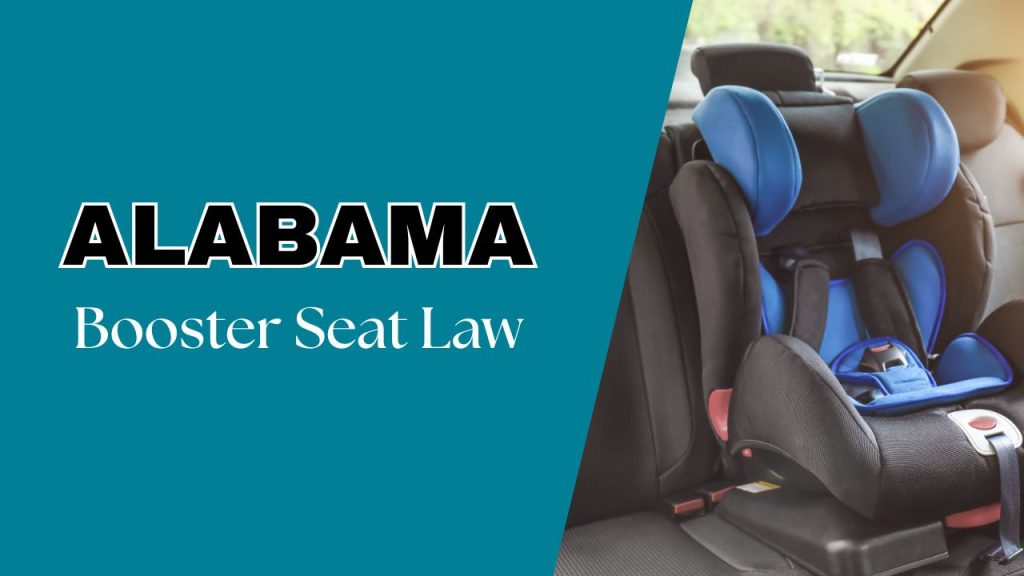
Driving down I-65 or through the streets of Birmingham with your kids in the back seat, you want to know you are following the rules. The Alabama law for booster seats sets clear age and weight guidelines, and understanding them keeps your child safe and helps you avoid a citation. Here is what every Alabama parent should know in 2026.
What Does Alabama Law Require for Booster Seats
Under Code of Alabama Section 32-5-222, every child riding in a car, pickup truck, van, minivan, or SUV must be secured in a restraint suited to their age and size. The statute breaks down into stages.
Rear-Facing Stage
Children under age 1 or weighing less than 20 pounds must ride in a rear-facing infant or convertible seat.
Forward-Facing Stage
Once a child passes that first stage, they move into a forward-facing seat with a harness until age 5 or 40 pounds, whichever comes first.
Booster Seat Stage
This is the heart of the Alabama law for booster seats. Children who have outgrown their forward-facing harness must ride in a belt-positioning booster seat until they turn 6 years old.
Seat Belt Stage
Once a child turns 6, Alabama law allows them to move to a regular seat belt, and this remains required through age 14.
Penalties for Violating the Booster Seat Law
Alabama keeps its penalties modest but real. A first offense carries a $25 fine and one point on the driver’s license. A repeat violation adds two points and a higher fine. If a parent shows the court proof that they have since bought an appropriate car seat or booster, a judge can dismiss the charge with no court costs.
Why Alabama’s Age 6 Cutoff Isn’t the Full Story
Alabama’s booster law sets one of the earliest exit ages in the country. The American Academy of Pediatrics recommends keeping a child in a booster until they reach about 4 feet 9 inches tall and pass the five-step seat belt fit test, usually between ages 8 and 12. Many Alabama parents follow this guidance instead of stopping at the legal minimum, since a belt riding across a small child’s neck or stomach offers far less protection in a crash.
Who Is Exempt from Alabama’s Child Restraint Law
Taxis and vehicles built to seat 11 or more passengers, such as school buses, are not covered by this statute. Rideshare vehicles like Uber and Lyft do not count as taxis, so children riding in them still need an appropriate seat.
A Note on Pending Legislation
Alabama lawmakers introduced House Bill 32 in 2026, which would raise several thresholds, including requiring booster seats until a child reliably fits a seat belt at age 6, and would increase penalties for repeat offenses. As of now this bill has not been signed into law, so the requirements above remain in effect for Alabama drivers.
Final Thoughts for Alabama Families
Whether you are driving through Huntsville, Mobile, or a rural stretch of highway, following the Alabama law for booster seats protects your child and your driving record. When in doubt, choosing the safer option over the legal minimum is always the better call for your family.