
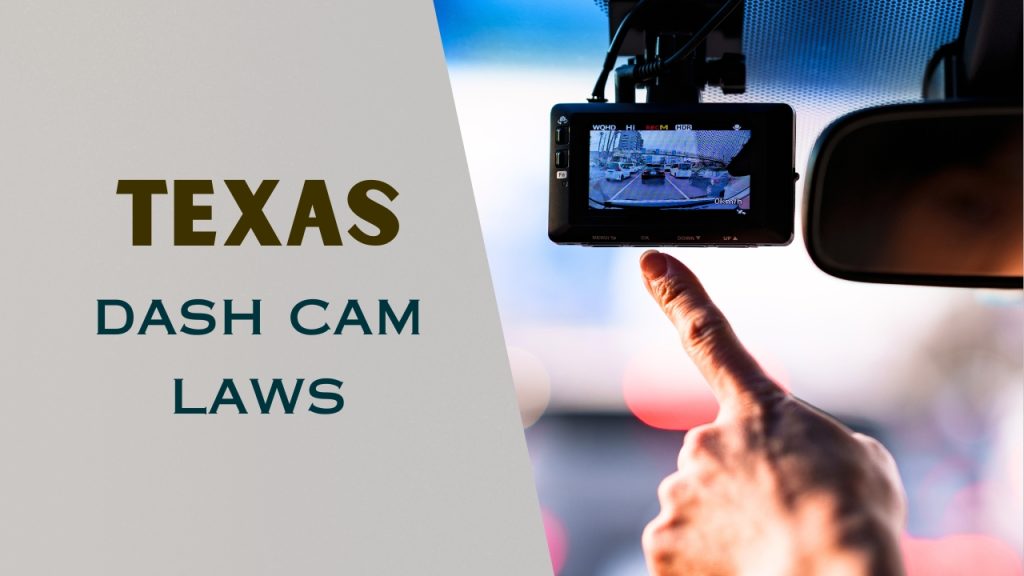
Drivers in Houston, Dallas, and San Antonio are installing dashboard cameras in record numbers, which raises a common question: what are the Texas dash cam laws that govern where you can mount one and what you can legally record? Texas allows dash cam use, but the state limits windshield placement and audio recording in ways every driver should understand.
Dash Cams and Texas Traffic Law
Texas does not ban dash cams outright. State law instead regulates how objects mount on a windshield and how audio may be captured inside a vehicle. Drivers in Austin and Fort Worth who follow these rules can use dash cam footage for insurance claims and accident disputes without trouble.
Who Can Legally Install and Use One
Any licensed driver in Texas can install and operate a dash cam, with no permit required. Rideshare and delivery drivers in El Paso commonly use dash cams for liability protection, and commercial fleets often install them as standard practice. The main legal constraints apply to placement and recording, not to who may own or use the device.
Windshield Placement and Mounting Rules
Texas Transportation Code Section 547.613 restricts objects placed on or near the windshield that could obstruct the driver’s clear view of the roadway. Dash cams are generally permitted only in a small mounting zone, typically described as a limited area in the lower corner of the windshield.
The exact permitted dimensions of that mounting zone should be verified against the current statute before publication, since Texas measurements can differ from other states’ windshield rules. As a general practice, drivers in Corpus Christi and Lubbock should mount cameras low, near the rearview mirror, and avoid blocking their line of sight.
Recording, Privacy, and Consent Laws
Texas is a one-party consent state under Penal Code Section 16.02, the state’s wiretapping statute. This means a driver can legally record audio inside their own vehicle as long as they are a party to the conversation being recorded, even without informing passengers.
Recording conversations between other people without the consent of at least one participant, however, can violate this statute. Drivers in San Antonio and Arlington using dash cams with interior microphones should avoid recording conversations they are not part of, such as bystanders near a parked vehicle.
Video recorded in public spaces, including footage captured through a windshield while driving, generally does not raise the same consent concerns, since there is limited expectation of privacy on public roads.
Penalties for Misuse or Improper Installation
Mounting a dash cam in a way that obstructs the driver’s view can result in a traffic citation under the windshield obstruction statute. This is typically a minor traffic offense, though the specific fine amount should be verified before publication, as figures vary by source and may have changed.
Illegal audio interception under the wiretapping statute carries more serious consequences and can potentially be charged criminally. The exact penalty classification and fine range should be confirmed against the current Penal Code before this figure is published.
Final Thoughts
Texas dash cam laws generally favor drivers who want added protection on the road, provided cameras avoid blocking the windshield and audio is recorded within the state’s one-party consent framework. Drivers from Waco to Amarillo can use dash cams confidently by keeping placement low and staying mindful of whose conversations they record.
This article is for informational purposes only and does not constitute legal advice. Consult a licensed Texas attorney for guidance specific to your situation.