
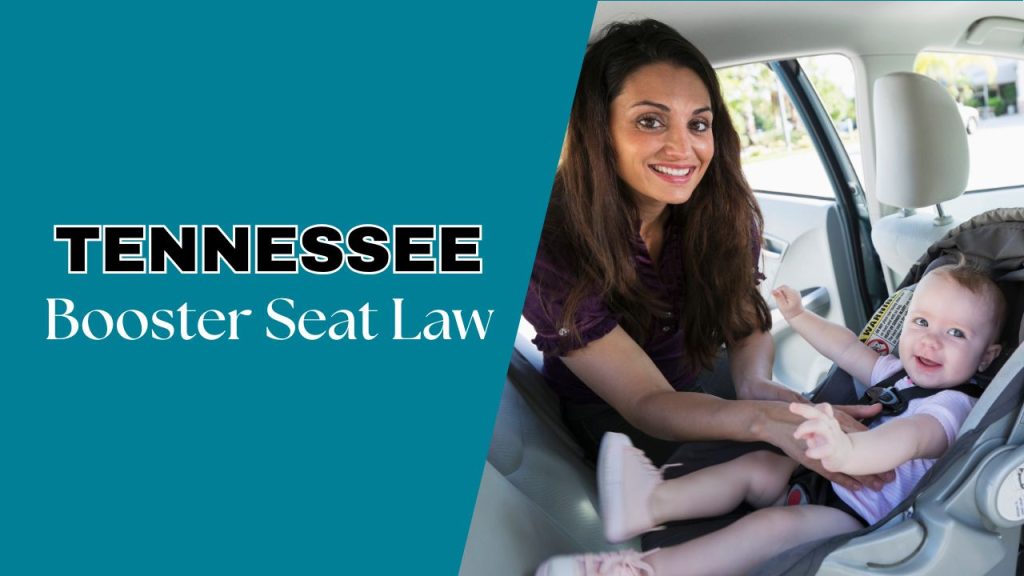
Raising kids in Tennessee comes with a lot of responsibility, and keeping them safe on the road is at the top of the list. Every year, hundreds of Tennessee families face confusion, and sometimes fines, simply because they misunderstand the rules.
The Tennessee law for booster seats exists to protect children from the exact injuries that happen when a seat belt does not fit a small body correctly.
This guide breaks down what parents across Nashville, Memphis, Knoxville, Chattanooga, and every corner of the Volunteer State need to know in 2026.
What Tennessee Law for Booster Seats Actually Requires
Tennessee’s child passenger safety rules are found in Tennessee Code Annotated 55-9-602. The state was the first in the nation to pass a child restraint law, and it still takes the requirement seriously today.
Age and Height Rules
Under current Tennessee statute, children fall into distinct categories:
- Infants under age 1, or weighing 20 pounds or less, must ride rear-facing in the back seat.
- Toddlers ages 1 through 3, weighing more than 20 pounds, must use a forward-facing car seat with a harness.
- Children ages 4 through 8, and shorter than 4 feet 9 inches, must be secured in a belt-positioning booster seat in the back seat.
- Once a child passes both the age and height mark, a standard seat belt becomes legal, provided it fits properly across the shoulder and lap.
Rear Seat Requirement
Tennessee also requires children to remain in the back seat until age 9 whenever a rear seat is available. This reduces exposure to airbag deployment, which can seriously injure a small child in the front row.
Why Booster Seat Requirements Matter for Tennessee Families
A seat belt alone is built for an adult frame. On a young child, the lap belt can ride up onto the stomach and the shoulder belt can cross the neck instead of the chest.
Booster seats raise a child so the belt lies across the sturdy parts of the body. National data shows booster use can lower serious injury risk by close to 45 percent for children between 4 and 8 years old.
Penalties for Skipping a Booster Seat
Tennessee treats child restraint violations as a moving offense. Drivers who fail to properly secure a child can face fines, court costs, and points that may affect insurance rates. Officers across the state actively watch for compliance, especially during back-to-school season and holiday travel weeks.
Choosing the Right Booster for Your Child
High-Back Boosters
Best for smaller vehicles without built-in head support, since they cradle the head and neck during a crash.
Backless Boosters
Lightweight and portable, ideal for carpools, grandparents’ cars, or older kids who have outgrown a high-back model but still need proper belt positioning.
When Can a Tennessee Child Stop Using a Booster
Age and height both matter. A child must be at least 9 years old and 4 feet 9 inches tall before switching to a seat belt alone. Even after meeting the legal minimum, the American Academy of Pediatrics recommends running the five-step seat belt fit test before letting a child ride without a booster.
Final Thoughts for Tennessee Parents
Following the Tennessee law for booster seats is not just about avoiding a ticket. It is about giving your child the best possible protection on every trip across town or across the state. Check your child’s height, weight, and age against these standards regularly, since kids grow fast and requirements change with them.