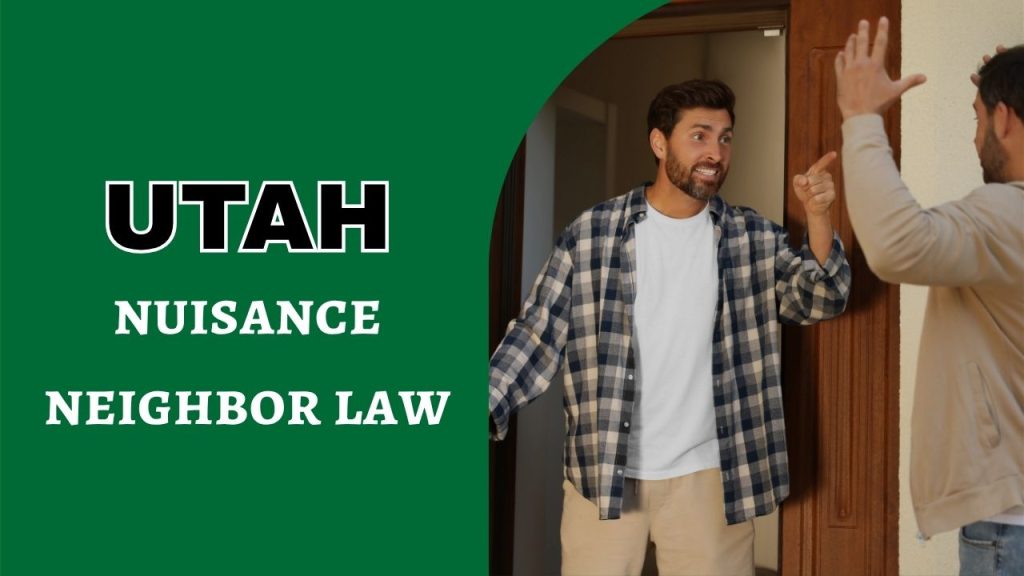
Living next to a disruptive neighbor can make even a peaceful Utah neighborhood feel stressful. From loud gatherings to unkempt yards, understanding nuisance neighbor law Utah homeowners depend on is essential for protecting your property and your peace of mind. This guide covers what qualifies as a nuisance, your legal rights, and the steps to resolve disputes in 2026.
What Is Considered a Nuisance in Utah
Utah law defines a nuisance as any condition or activity that unreasonably interferes with a person’s use and enjoyment of their property. Courts weigh factors such as how often the disturbance occurs, its severity, and whether it would bother an average reasonable person in the same neighborhood.
Common Nuisance Complaints Among Utah Neighbors
- Loud music, parties, or barking dogs at unreasonable hours
- Foul odors from trash, compost, or livestock
- Overgrown weeds, trees, or shrubs crossing property lines
- Bright security lights disturbing nearby homes
- Junk vehicles, debris, or hoarded items on the property
- Water drainage problems damaging adjoining land
Private Nuisance vs Public Nuisance in Utah
Understanding the difference between these two categories helps determine the right legal path for your situation.
Private Nuisance
A private nuisance impacts one homeowner or a small group of neighbors directly. Most residential disputes, such as noise complaints or fence line disagreements, fall under this category.
Public Nuisance
A public nuisance affects the broader community, such as blocked roadways, environmental hazards, or health and safety violations. These matters are usually addressed through city or county code enforcement rather than a private lawsuit.
Your Legal Rights Under Utah Nuisance Law
Utah residents facing an ongoing nuisance have several options available to protect their property rights.
Right to Pursue a Civil Lawsuit
You can file a lawsuit seeking damages or an injunction requiring your neighbor to stop the offending behavior. Courts may also award compensation if the nuisance lowered your property value or caused financial harm.
Right to File a Code Enforcement Complaint
Cities like Salt Lake City, Provo, Ogden, and West Valley City have municipal ordinances covering noise, property maintenance, and zoning. Reporting violations to local code enforcement is often quicker and more affordable than litigation.
Right to Request Mediation
Utah courts frequently encourage mediation before a lawsuit proceeds. Local dispute resolution programs can help neighbors reach a fair agreement without costly court battles.
Steps to Take Before Filing a Claim
Keep Detailed Records
Document every incident with dates, times, photos, and videos. A thorough record strengthens your position if the matter escalates.
Notify Your Neighbor in Writing
A calm, written request describing the issue and asking for resolution can often resolve disputes without further legal action.
Review Local Ordinances
Nuisance rules can differ by city or county, so check your local municipal code before proceeding with a formal complaint.
When to Consult a Utah Attorney
If informal efforts fail, speaking with a Utah attorney experienced in property and nuisance disputes can clarify your legal options and help you decide whether litigation is the right path forward.
Final Thoughts
Nuisance neighbor law Utah homeowners can rely on provides meaningful protection against disruptive neighbors. By documenting issues, communicating clearly, and knowing when to escalate, you can restore comfort and order to your home.
This article is for informational purposes only and does not constitute legal advice. Consult a licensed Utah attorney for guidance specific to your situation.