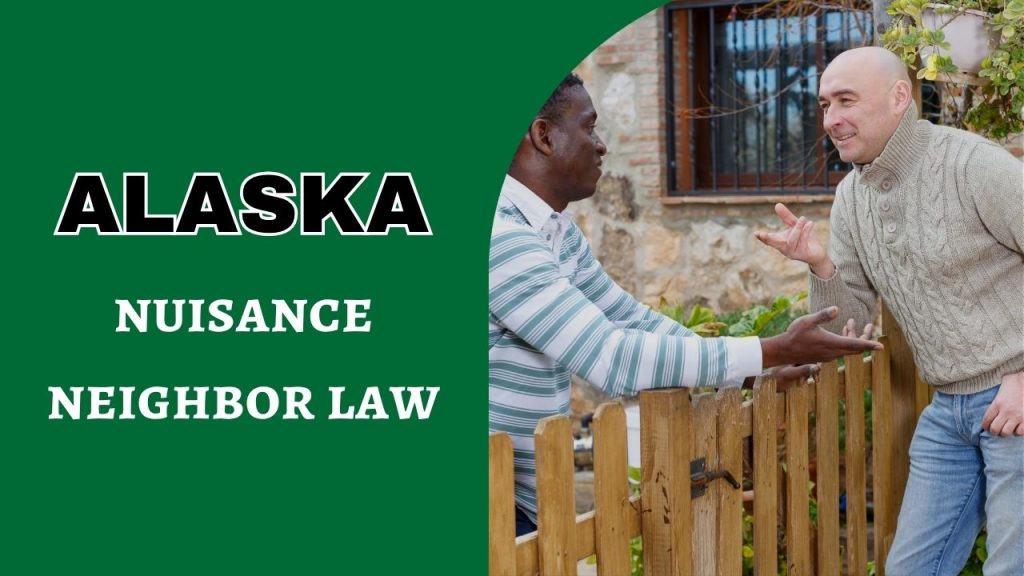
Living next to a difficult neighbor is stressful, and understanding nuisance neighbor law Alaska homeowners can rely on makes it easier to handle the problem calmly and legally.
Whether you own a home in Anchorage, Fairbanks, or a quiet spot along the Kenai Peninsula, Alaska gives property owners real legal tools to deal with ongoing disturbances in 2026.
What Counts as a Nuisance Under Alaska Law
A nuisance is any activity or condition that unreasonably interferes with your ability to use and enjoy your property. It does not have to be illegal on its own. It just has to be persistent, unreasonable, and harmful to your quality of life.
Private Nuisance vs Public Nuisance
A private nuisance affects one property owner or a small group, such as a neighbor’s constant noise or overflowing trash. A public nuisance affects the wider community, like a business polluting a shared water source. Most homeowner disputes fall under private nuisance law.
The Key Alaska Statute: AS 09.45.230
Alaska’s core nuisance statute, AS 09.45.230, allows a property owner to bring a civil action to enjoin or abate a private nuisance, and courts may award damages in addition to ordering the nuisance stopped. This statute is the foundation for most neighbor lawsuits filed in Alaska courts.
Common Nuisance Neighbor Problems Across Alaska
Noise and Barking Dogs
Alaska has no single statewide noise statute, so cities and boroughs set their own limits. Anchorage, Fairbanks, and Juneau each maintain municipal noise codes covering everything from loud music to constant dog barking.
Snow, Fences, and Boundary Lines
Winter brings unique disputes, including snow piled across a shared driveway or fence lines shifted by frost heave. These often become boundary and encroachment issues rather than pure nuisance claims.
Junk, Debris, and Unsightly Property
Abandoned vehicles, garbage accumulation, or unsafe structures can qualify as a nuisance if they lower property values or create health hazards.
How Local Ordinances Matter
Because Alaska is largely governed by home rule municipalities and boroughs, the exact rules for noise, animals, and property maintenance vary by location. Checking your local municipal code is just as important as knowing state law before filing a complaint.
Steps to Resolve a Dispute in 2026
Talk First, Document Everything
Start with a calm conversation, then keep a written log of dates, times, and specific incidents in case the issue continues.
Check Your Municipal Code
Many noise, animal, and property maintenance violations can be reported directly to local code enforcement or animal control before any court involvement is needed.
Consider Mediation
Alaska Court System offers community mediation resources that resolve many neighbor disputes without litigation.
File a Civil Nuisance Claim
If the problem continues, AS 09.45.230 allows homeowners to ask a court for an injunction, an abatement order, or monetary damages.
What Homeowners Should Watch for in 2026
Alaska’s core private nuisance statute remains stable, but municipalities continue updating local noise, animal, and property maintenance codes.
Homeowners should check their borough or city website periodically, since local ordinance changes often affect nuisance cases more directly than state law.
Understanding both state statutes and local ordinances gives Alaska homeowners the clearest path to a peaceful resolution.