
Every parent driving through Fargo, Bismarck, or the rural stretches of western North Dakota wants one thing: their child to arrive safely.
Understanding North Dakota law for booster seats is one of the simplest ways to make that happen, yet many parents remain unsure about the exact age, height, and fine requirements. This guide breaks down everything you need to know in plain language.
What Does North Dakota Law Say About Booster Seats
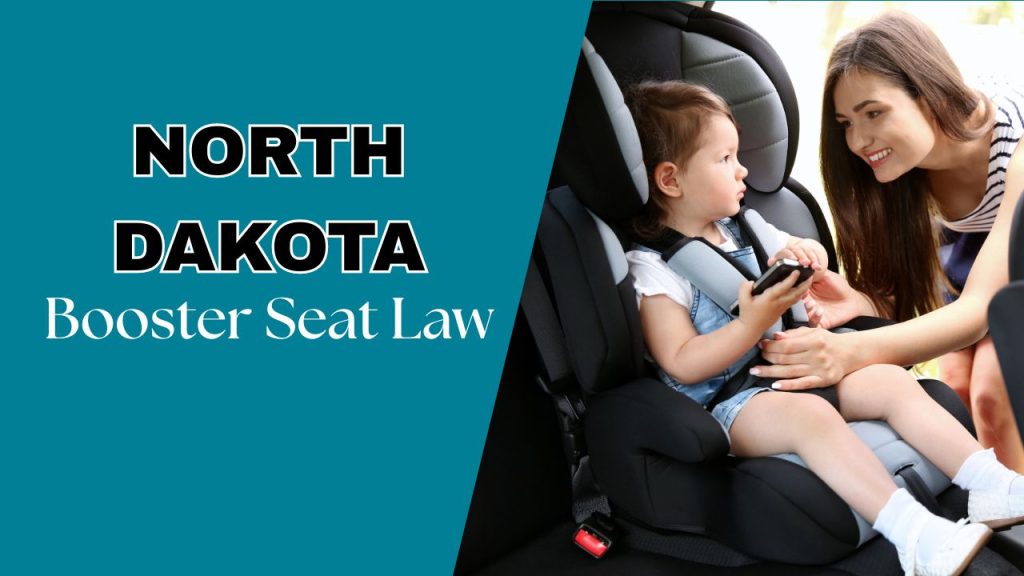
North Dakota’s Child Passenger Safety Law requires that children under 8 years old be properly secured in a child restraint system, which includes car seats and booster seats. A seat belt may only replace a booster seat once the child reaches 4 feet 9 inches tall, even if they are younger than 8.
Age and Height Requirements
- Children under 8 years old must ride in a car seat or booster seat.
- If a child under 8 reaches 4 feet 9 inches, a regular seat belt becomes legally acceptable.
- Children aged 8 through 17 must wear a seat belt or an appropriate restraint, no matter where they sit in the vehicle.
This dual standard of age and height matters because many North Dakota children reach 8 years old before their body is actually ready for an adult seat belt to fit correctly across the hips and shoulder.
Booster Seat Stages Before the Law Kicks In
Rear-Facing Car Seats
North Dakota law does not set a specific rear-facing age, but the Department of Transportation recommends keeping children rear-facing until at least age 2, or until they outgrow the seat’s height and weight limits.
Forward-Facing Car Seats
Once a child outgrows the rear-facing seat, they typically move to a forward-facing seat with a harness, generally until around age 4 or 40 pounds.
Booster Seats
After outgrowing the forward-facing harness seat, children move into a booster seat until the vehicle seat belt fits properly across the chest and hips, usually around age 8 or 4 feet 9 inches.
Fines and Penalties for Non-Compliance
Violating North Dakota’s booster seat law results in a fine, typically around 25 dollars, along with one point added to the driver’s license. Depending on the county, some first-time offenders may also be directed toward a certified child passenger safety course instead of, or in addition to, the fine.
Where Should Kids Sit in the Vehicle
North Dakota safety officials recommend children remain in the back seat until age 13. This applies to all seating positions, including front and rear, and is especially important given the state’s rural roads, long highway distances, and winter driving conditions common across places like Minot, Grand Forks, and Williston.
Front Seat Exceptions
If a vehicle lacks a back seat or every back seat is occupied by other restrained children, a child restraint may be installed in the front seat according to manufacturer instructions.
Getting Help With Car Seat Safety in North Dakota
Local organizations such as Safe Kids North Dakota and Sanford Health in Fargo and Bismarck offer car seat inspections and installation help. Many counties also run low-cost car seat distribution programs for families who need financial assistance.
Final Thoughts for North Dakota Parents
Following North Dakota’s booster seat law is not just about avoiding a fine. With the state’s higher-than-average traffic fatality rate, correct restraint use can be the difference between a minor incident and a tragedy. Check your child’s height, weight, and age regularly, and transition seats only when they have truly outgrown the current one.