
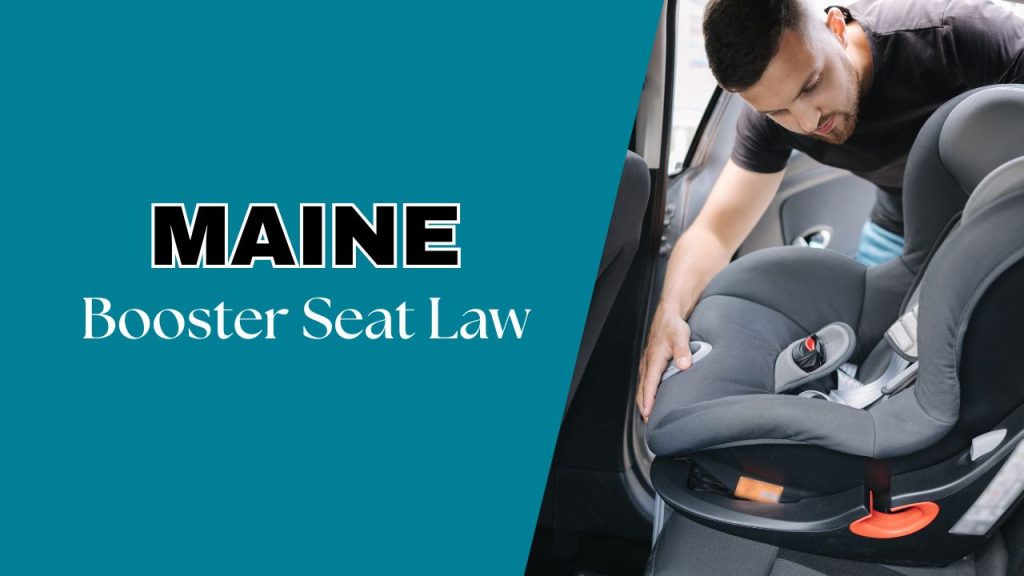
If you are raising kids anywhere from Portland to Bangor, understanding the Maine law for booster seats is one of the simplest ways to keep your child safe and avoid a traffic fine. Maine’s child passenger safety rules are among the strictest in New England, and the requirements are based on a child’s age, weight, and height rather than age alone.
What the Maine Law for Booster Seats Actually Requires
Under current Maine statute, a child who weighs at least 40 pounds but less than 80 pounds, is under 57 inches tall, and is younger than 8 years old must ride in a federally approved child restraint system. In practice, this means a booster seat once your child has outgrown a forward-facing harness seat.
Age, Weight, and Height Breakdown
- Under 40 pounds: a car seat with an internal harness is required, not a booster.
- 40 to 80 pounds, under 57 inches, and under 8 years old: a booster seat is required.
- 8 years or older, or taller than 4 feet 9 inches: a standard seat belt is allowed, as long as it fits properly across the shoulder and lap.
Rules Before the Booster Stage
Maine law also covers younger children. Kids under 2 years old must ride in a rear-facing car seat. Many Maine families choose to keep children rear-facing beyond age 2 if the seat’s manufacturer allows it, since this position offers stronger crash protection.
Once a child outgrows the rear-facing limits, a forward-facing seat with a five-point harness is required until the child reaches the harness weight limit, generally around 55 pounds.
Back Seat and Front Seat Placement
Maine requires children under 12 years old and under 100 pounds to ride in the back seat whenever a rear seat is available. This rule exists because airbags and dashboard impact make the front seat riskier for smaller passengers. A child should only move to the front once they meet both an age and a height threshold and can wear the seat belt correctly.
Penalties for Non-Compliance
Failing to follow Maine’s child restraint requirements is treated as a traffic infraction. Fines increase with repeat violations:
- First offense: $50
- Second offense: $125
- Third or later offense: $250
Courts cannot suspend these fines, so compliance is not optional. Beyond the ticket, an unrestrained child injured in a crash can affect a family’s ability to recover damages under Maine’s comparative negligence rules.
Practical Tips for Maine Parents
- Measure your child’s height and weight regularly rather than relying on age alone.
- Check that the lap belt sits across the upper thighs, not the stomach, before letting a child stop using a booster.
- Take advantage of free car seat inspection events offered by local fire departments and Safe Kids Maine.
- Keep the booster seat manual handy, since manufacturer limits sometimes exceed the state minimum.
Final Thoughts
The Maine law for booster seats is designed around real crash safety data, not just convenience. Whether you live near the coast or up in Aroostook County, following the age, weight, and height guidelines keeps your child protected and keeps your family out of traffic court.