
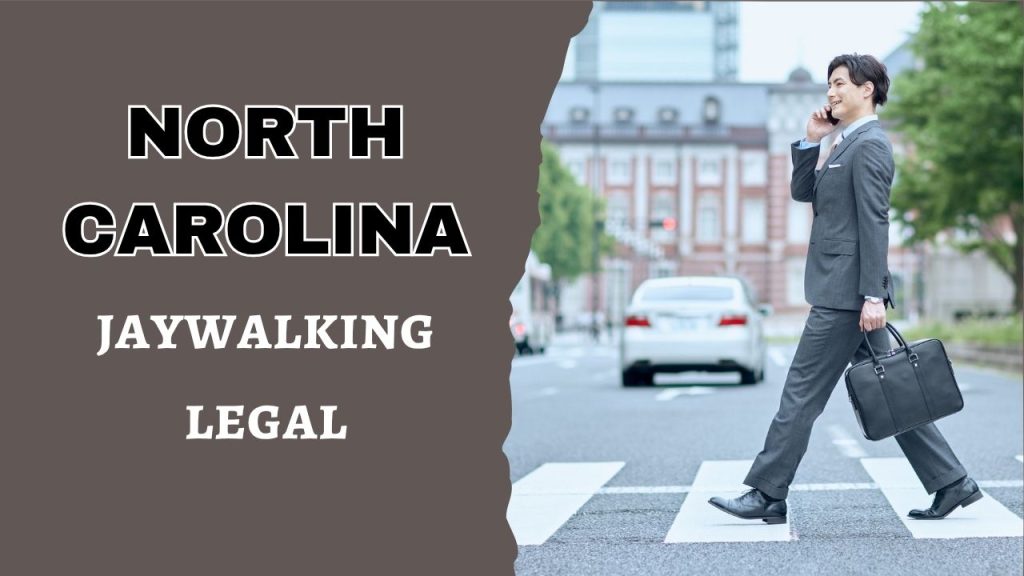
Crossing the street outside a marked crosswalk is a habit many North Carolina residents fall into without thinking twice. But is jaywalking legal in North Carolina, or could that quick dash across a busy road in Charlotte or Durham cost you a ticket? Understanding the state’s pedestrian laws helps you cross safely and avoid a fine.
What North Carolina Law Says About Jaywalking
North Carolina does not use the word “jaywalking” in its statutes. Pedestrian crossing rules instead fall under North Carolina General Statute 20-174, which sets out right of way between drivers and pedestrians.
General Statute 20-174 Explained
A pedestrian crossing at any point other than a marked or unmarked crosswalk at an intersection must yield right of way to vehicles already on the road. Between two adjacent signal-controlled intersections, pedestrians must use a marked crosswalk to cross legally.
Is Jaywalking Legal in North Carolina in 2026?
There is no blanket ban on crossing outside a crosswalk everywhere in the state. Whether it is allowed depends on the location and whether the pedestrian yields properly to traffic.
When Crossing Outside a Crosswalk Is Allowed
On residential streets without nearby signal-controlled intersections, a pedestrian can usually cross mid block as long as they yield to oncoming vehicles and use reasonable care.
When It Becomes a Violation
Crossing between two signalized intersections outside a marked crosswalk, ignoring a “Don’t Walk” signal, or stepping into traffic without yielding can result in a citation, even without a collision.
Crosswalk Rules Every North Carolina Pedestrian Should Know
Marked vs Unmarked Crosswalks
Every intersection in North Carolina technically has a legal crosswalk, painted or not, unless signage says otherwise. Drivers must yield to pedestrians already inside a marked or unmarked crosswalk.
Right of Way for Drivers and Pedestrians
Drivers must yield to pedestrians in crosswalks, but pedestrians cannot legally step suddenly into a vehicle’s path so close that the driver has no reasonable chance to stop.
Fines and Penalties for Jaywalking in North Carolina
Violating pedestrian crossing laws is generally a minor infraction, not a criminal offense. Fines typically run from ten to fifty dollars, though amounts vary by city and county court. Police in Charlotte, Raleigh, and Durham tend to enforce these rules more actively in busy downtown corridors and school zones.
Common Jaywalking Scenarios in North Carolina Cities
In Charlotte and Raleigh, pedestrians often cross major streets outside crosswalks near transit stops and shopping districts. Officers usually warn first-time offenders, but repeated violations near schools or crowded intersections can lead to a citation.
Tips to Stay Safe and Legal While Crossing
- Use marked crosswalks whenever nearby
- Wait for the pedestrian signal at controlled intersections
- Make eye contact with drivers before stepping out
- Avoid crossing between parked cars or on blind curves
- Follow posted signals in downtown, high traffic areas
Final Thoughts
So, is jaywalking legal in North Carolina? It depends on where and how a person crosses. The state does not criminalize every mid block crossing, but failing to yield or crossing against a signal can still lead to a fine. Knowing local crosswalk rules helps residents stay safer and avoid tickets.