
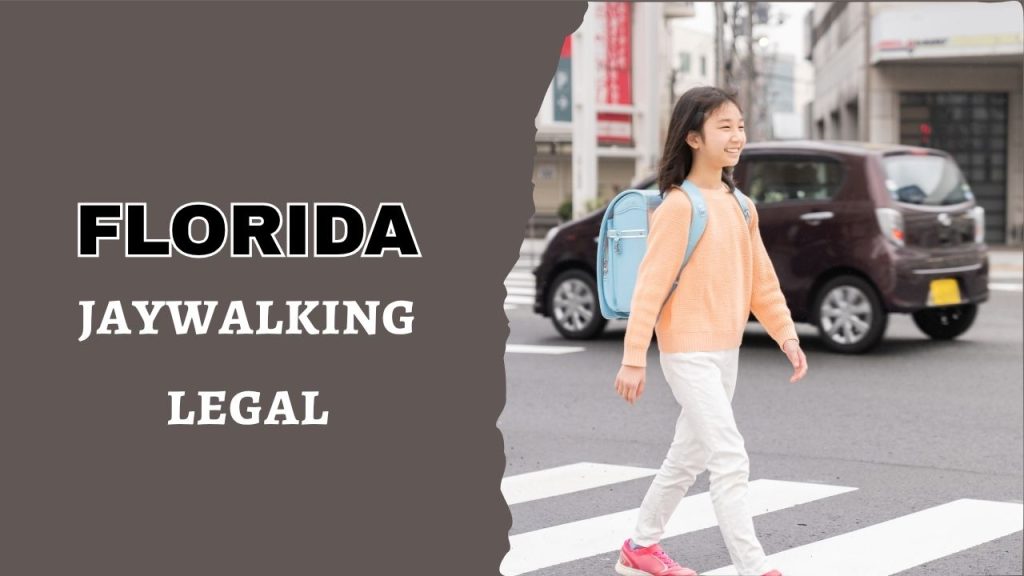
Florida sidewalks and busy intersections see thousands of pedestrians every day, and many Floridians wonder is jaywalking legal in Florida or if crossing outside a crosswalk can actually get you a ticket. The short answer is that Florida does not use the word “jaywalking” in its statutes, but crossing a road carelessly can still count as a traffic violation.
What Florida Law Actually Says
Florida Statute 316.130 governs how pedestrians must cross roadways. It does not ban crossing outside a crosswalk outright, but it does set clear rules pedestrians must follow.
Crosswalk Requirements
If a crosswalk exists at an intersection, pedestrians are generally required to use it rather than crossing diagonally or mid-block. Where traffic signals control the crosswalk, pedestrians must obey the signal, just like drivers obey traffic lights.
Crossing Outside a Crosswalk
Pedestrians are allowed to cross at points other than a marked crosswalk, but they must yield the right of way to vehicles on the roadway. This is the section most people think of when they picture jaywalking. Crossing between intersections without yielding to oncoming traffic is where a pedestrian can be found at fault or ticketed.
Is Jaywalking a Crime in Florida?
Jaywalking in Florida is not treated as a criminal offense. It falls under noncriminal traffic infractions, similar to a minor moving violation. Officers rarely stop pedestrians for this alone unless it creates a safety hazard or contributes to an accident.
Fines and Penalties for Jaywalking
Typical Fine Range
Pedestrian violations under Florida law usually result in a civil citation, with fines commonly falling between 15 and 65 dollars depending on the county and any added court fees.
When Penalties Increase
If jaywalking leads to a collision or injury, the situation changes significantly. Insurance companies and courts may assign partial fault to the pedestrian, which can reduce compensation in a personal injury claim even if a driver was also negligent.
Crosswalk Rules Florida Drivers Must Follow
Florida law places real responsibility on drivers too. Motorists must stop for pedestrians in marked and unmarked crosswalks at intersections and cannot pass a vehicle stopped for a pedestrian.
School Zones and Marked Crossings
Near schools and marked pedestrian crossings, drivers face stricter speed limits and heavier fines for failing to yield, reflecting how seriously Florida treats pedestrian safety in these areas.
Tips for Pedestrians in Florida Cities
Use Marked Crosswalks When Available
Cities like Miami, Orlando, Tampa, and Jacksonville have heavy pedestrian traffic, and using marked crosswalks reduces both legal risk and accident risk.
Make Eye Contact With Drivers
Before crossing outside a crosswalk, confirm that approaching drivers see you and are slowing down.
Avoid Crossing at Night Without Visibility
Wearing reflective clothing or carrying a light source improves safety on poorly lit Florida roads.
Final Thoughts
So is jaywalking legal in Florida? Technically, there is no specific crime called jaywalking, but pedestrians must still follow crosswalk rules and yield when crossing elsewhere. Ignoring these rules can lead to a citation, and in the event of an accident, it can affect who is held liable. Understanding Florida Statute 316.130 helps residents and visitors stay safe and avoid unnecessary fines.
This article is for general informational purposes only and does not constitute legal advice. Consult a licensed Florida attorney for guidance on a specific situation.