
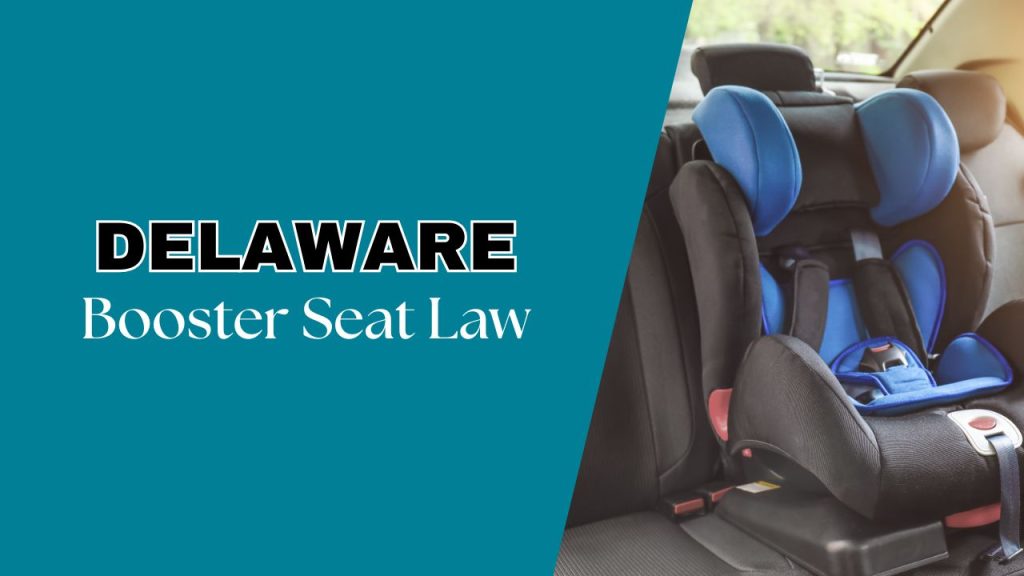
Raising a child in Delaware comes with the daily task of buckling them in safely for every car ride.
Whether you are driving through Wilmington traffic or heading down to the beaches at Rehoboth, understanding the Delaware law for booster seats helps you avoid fines and, more importantly, keeps your child protected.
This guide breaks down the current rules so parents and caregivers know exactly what is required.
What Delaware Law Says About Booster Seats
Delaware’s child restraint requirements are written into Title 21, Section 4803 of the Delaware Code. The driver of any vehicle is responsible for making sure every child under 16 is properly secured, whether in a car seat, booster seat, or seat belt.
Age and Weight Milestones
The law breaks child restraint requirements into clear stages.
- Children under age 2 and less than 30 pounds must ride in a rear-facing seat with a 5-point harness.
- Children under age 4 and less than 40 pounds must be secured in a child restraint with a 5-point harness.
- Once a child outgrows the forward-facing harness seat, a booster seat becomes the required next step.
- A child must stay in the booster seat until reaching the upper height or weight limit set by the seat’s manufacturer.
There is no fixed age listed in the statute for leaving the booster seat behind. Instead, the law ties the transition to the manufacturer’s guidelines for that particular seat, which typically means most children stay in a booster until somewhere between ages 8 and 12.
Why the Fit Matters More Than Age
A booster seat raises a child so the vehicle’s lap and shoulder belt sits across the body correctly.
Delaware safety officials note that a shoulder belt should cross the chest and shoulder, never the neck, and the lap belt should rest across the upper thighs rather than the stomach. Moving a child out of a booster too soon can leave them exposed to serious injury in a crash.
Front Seat Restrictions Parents Should Know
Delaware also limits who can sit up front. A child under 12 years old who is 5 feet 5 inches or shorter cannot occupy the front passenger seat if that seat has an active airbag. This rule does not apply if the vehicle has no back seat or if the airbag has been legally disabled.
Penalties for Non-Compliance
Delaware tends to favor education over punishment for first-time violations. A first offense typically results in a referral to the Office of Highway Safety for guidance rather than an immediate fine. A repeat violation can bring a fine along with court costs.
Exemptions Under Delaware Law
Certain situations fall outside the booster seat requirement, including transportation by charter bus, limousine, taxicab, or when a licensed physician provides written documentation of a medical condition that prevents standard restraint use.
Where Delaware Parents Can Get Help
The Office of Highway Safety runs car seat fitting stations across the state where parents can get their booster seat checked for correct installation, free of charge.
Final Thoughts for Delaware Families
Following the booster seat requirements is one of the simplest ways Delaware parents can protect their children on every trip.
When in doubt, keep your child in the booster a little longer rather than moving to a seat belt too early, since the manufacturer’s limits and proper belt fit matter far more than a birthday.