
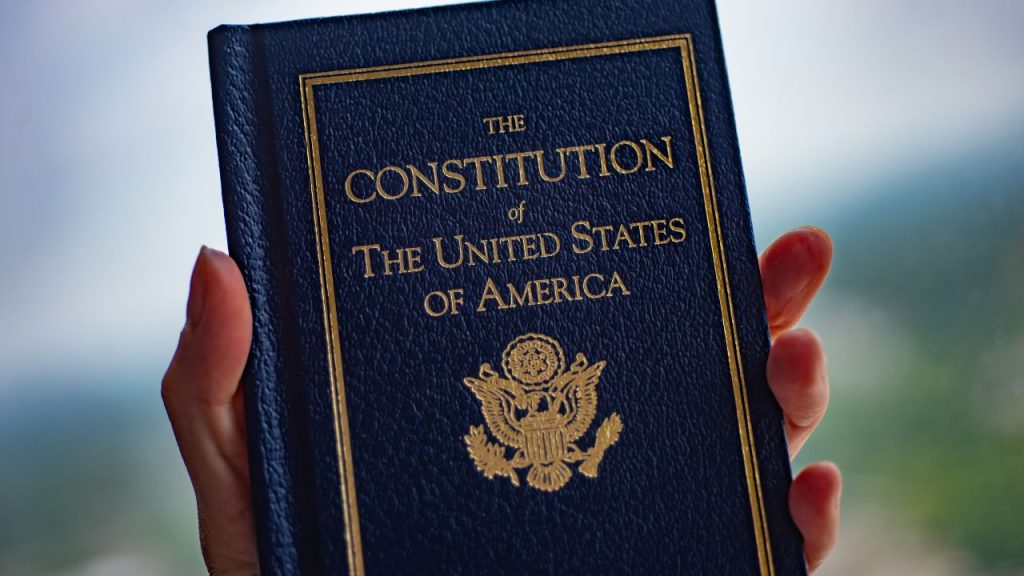
If you’ve ever picked up constitutional law books and felt instantly lost, you’re not alone. Law can feel like a different language, especially when you don’t know which constitutional law books are best for students or constitutional law books for beginners to start with.
In this guide, I’ll walk you through 10 types of books and how they fit different needs like exams, self-study, and real-world practice.
I’ll also weave in real search intent, like constitutional law books for self-study, constitutional law books for law entrance exams, and constitutional law books recommended by universities, so you can choose based on your exact goal.
Why the right constitutional law books matter

Not all constitutional law books are written for students. Some are dense, theory-heavy, and better suited for experts than for people preparing with constitutional law books for LLB first year or constitutional law books for judiciary preparation.
The right mix of books can help you:
- Understand key doctrines faster and more clearly
- Connect cases to principles without rote memorization
- Prepare smartly for exams and competitive tests using the constitutional law books list and reviews
- Build a solid foundation for future practice and advanced subjects, like tax law books
Think of this as a roadmap to different types of constitutional law books that match specific search intent and study styles.
1. Core textbook for big-picture clarity
If you’re just starting, you need constitutional law books for beginners that act as your main textbook and give you the big picture.
Look for a core book that:
- Explains concepts before jumping into long case extracts
- Uses plain language and real-world illustrations
- Covers structure, powers, rights, and limitations in a systematic way
This kind of core text is usually one of the constitutional law books recommended by universities, especially in the first year. It’s perfect if you’re using constitutional law books for LLB first year and want one go-to resource.
2. A casebook that teaches through judgments
Many students simply memorize case names. A strong casebook, often found in top-rated constitutional law books, helps you understand how judges actually reason.
A good case-focused book will:
- Provide short, relevant judgment extracts
- Highlight issues, arguments, and final principles
- Show how one case builds on or departs from earlier ones
This type of book is ideal when you’re browsing a constitutional law books list and reviews and want something that makes case law feel like stories rather than random facts.
3. Beginner-friendly constitutional law books
If you feel overwhelmed, prioritize constitutional law books for beginners that are designed to ease you into the subject rather than drown you in detail.
Beginner-friendly books usually:
- Use simple, direct language
- Avoid advanced theory in the early chapters
- Explain basic institutions and rights step by step
These are some of the best constitutional law books for students who are still building confidence. Once your basics are strong, you can move to more advanced and top-rated constitutional law books.
4. Exam-focused constitutional law books
When exams are close, you’ll want constitutional law books for the law entrance exam or semester exams that are tightly aligned with the syllabus.
Good exam-oriented books often:
- Follow the official syllabus topic by topic
- Include past papers, sample answers, and expected questions
- Provide clear headings and subheadings for answer-writing
If you’re checking constitutional law books list and reviews before exams, you’ll notice many students recommend such guides as supplements to your main textbook, not as a replacement.
5. Constitutional law books for the judiciary and competitive exams
If you’re targeting judiciary or higher competitive exams, regular textbooks aren’t enough. You need constitutional law books for judiciary preparation that go deeper into doctrines and case evolution.
These specialized books typically:
- Cover landmark cases in detail and chronological order
- Include objective questions, case-based questions, and notes
- Highlight doctrine development and important shifts over time
When people search for the best constitutional law books for students with long-term goals, these judiciary-oriented texts often top the list.
6. University-recommended constitutional law books
Most law schools share their own constitutional law books recommended by universities, and it’s smart to pay attention to these.
They matter because:
- Faculty often base lectures and exam questions on them
- Citations from these books carry weight in assignments and research
- They are usually part of the top-rated constitutional law books used in academic circles
If you already know which books your university prefers, treat at least one of them as your anchor text and use others around it.
7. Constitutional law books for self-study
Maybe you can’t attend every class, or you prefer learning alone. In that case, constitutional law books for self-study become crucial.
Self-study-friendly books tend to:
- State learning objectives at the start of each chapter
- Use summaries, charts, and simple examples
- Offer short quizzes or review questions to test understanding
Pairing a strong self-study book with constitutional law books for beginners is a great way to keep your learning on track, even if you’re working independently.
8. Books aligned to LLB first year
First-year students often struggle because they jump straight into advanced texts. That’s where constitutional law books for the LLB first year help.
These are usually:
- Closely aligned with introductory courses
- Focused on structures, basic doctrines, and key articles
- Written with first-year exam patterns in mind
If you search for the best constitutional law books for students at an early stage, you’ll see many titles clearly marked for first-year use.
9. Latest and updated constitutional law books
Constitutional law evolves with new amendments and landmark judgments. That’s why the latest constitutional law books, 2025 edition and beyond, are important.
Updated books generally:
- Include recent leading cases and doctrinal shifts
- Replace outdated positions with current law
- Clearly mark new content from the latest editions
When you’re looking up top-rated constitutional law books, always check the edition year so you’re not relying on outdated material for your exams or arguments.
10. Supplementary and quick-reference guides
Beyond main textbooks and casebooks, it’s helpful to keep short guides that act as quick memory boosters and revision tools.
These supplementary constitutional law books often:
- Summarize doctrines, tests, and principles in bullet points
- List articles with corresponding landmark cases
- Works perfectly for last-minute revision sessions
You can use them alongside more detailed constitutional law books for judiciary preparation or your constitutional law books for a self-study routine.
And as your legal journey grows, you’ll probably build similar mini-libraries in other areas too, such as carefully chosen tax law books for fiscal and commercial law subjects.
FAQs about constitutional law books
Which constitutional law books are best for beginners?
The best constitutional law books for beginners are those with simple language, clear explanations, and basic diagrams or summaries. For your first year, a mix of a university-recommended text and a beginner-focused guide is ideal.
How many constitutional law books do I really need?
Most students do well with 2 to 3 constitutional law books: one main textbook, one exam-focused or competitive exam guide (like constitutional law books for law entrance exam or constitutional law books for judiciary preparation), and one short revision or quick-reference book.
Are the university-recommended books enough on their own?
Constitutional law books recommended by universities are a strong foundation, but they work best when supported by at least one exam-oriented or self-study book. This combination covers depth, clarity, and practice.
Do I need the latest 2025 editions?
Yes, using the latest constitutional law books, 2025 edition or similar recent editions, is important because constitutional law changes with new cases and amendments. Old editions may give you outdated or incomplete positions.
Can I use the same books for LLB and competitive exams?
You can start with your constitutional law books for LLB first year as a base, but for judiciary and other competitive exams, you should add constitutional law books for judiciary preparation that include more detailed case law, objective questions, and exam-style practice.
If you choose even a small, smart mix from these different types of constitutional law books, you’ll notice a real difference in your understanding, confidence, and exam performance.