
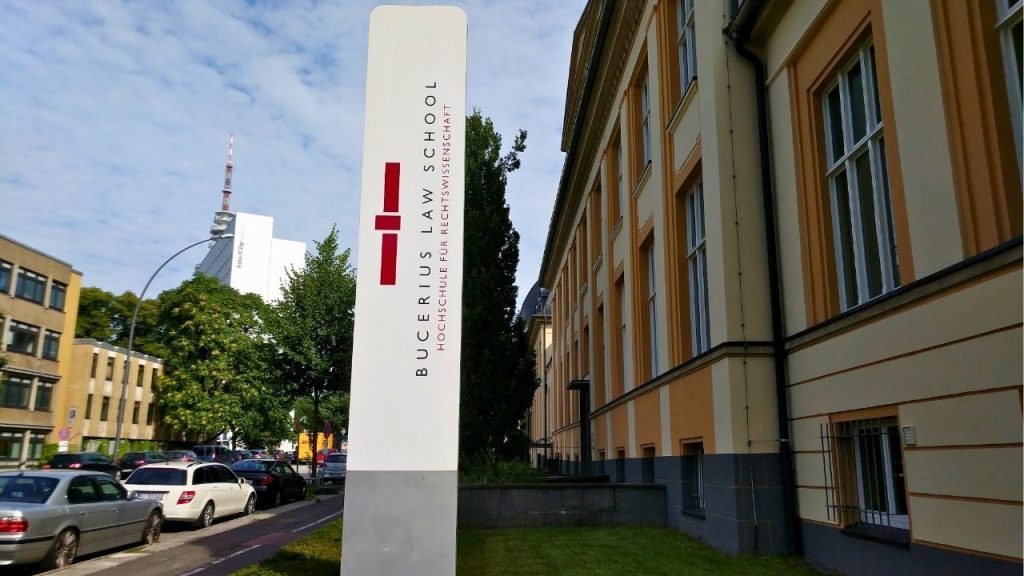
Anyone researching law study in Germany eventually asks about the Bucerius Law School acceptance rate, since this Hamburg based school is widely known as one of the most selective private law programs in Europe. Understanding how admission works here matters, because Bucerius follows the German academic model rather than the LSAT and GPA system used by American law schools.
Overview of Bucerius Law School
Bucerius Law School was founded in Hamburg in the year 2000 by the ZEIT Foundation and remains Germany’s first private law school. It offers a Bachelor of Laws program taught largely in German alongside English language components, plus several English taught Master of Laws programs for international students. The school is known for small class sizes, strong international partnerships, and close contact between students and faculty.
Admitted Students’ Academic Profile
Abitur Grades and Academic Background
Since Bucerius does not use the LSAT or a US style GPA, applicants are evaluated primarily on their Abitur, which is the German secondary school leaving certificate, or an equivalent international qualification. Admitted students generally present strong secondary school records, since Bucerius receives far more qualified applicants than it can accept each year.
Aptitude Test and Interview
Beyond academic grades, Bucerius requires applicants to complete a written aptitude test that evaluates reasoning, comprehension, and written expression. Shortlisted candidates are then invited to a personal interview, which plays a significant role in the final decision. This combination replaces the standardized testing model used in the United States.
Class Size and Acceptance Rate
Bucerius intentionally keeps its incoming class small, often admitting only a limited number of students each year in order to maintain close mentorship and small seminar sizes. The school has historically been considered highly selective, with acceptance rates commonly described as low relative to the volume of applications received. Exact figures for applicants, admitted students, and enrollment change from year to year, so readers should confirm the current cycle’s numbers directly through the official Bucerius admissions office rather than relying on older published statistics.
How to Increase Your Chances of Acceptance
Build a Strong Academic Record
A competitive Abitur average or equivalent qualification is the foundation of a strong application. Consistent performance in language, writing, and analytical subjects tends to stand out.
Prepare Seriously for the Aptitude Test
Practice reading comprehension and argumentative writing under time pressure, since the test rewards clear reasoning as much as raw knowledge.
Write a Focused Motivation Letter
Explain specifically why Bucerius fits your goals, referencing its international outlook, small class structure, or particular programs rather than generic praise.
Prepare for the Interview
Be ready to discuss your motivation for studying law, relevant experiences, and how you would contribute to a small academic community.
Show International and Extracurricular Experience
Language skills, study abroad experience, internships, or volunteer work can strengthen an otherwise strong application.
Apply Early
Submitting materials well before the deadline allows time to correct errors and demonstrates genuine interest.
Final Thoughts
Bucerius Law School remains a highly selective option for students seeking a rigorous legal education with an international character. Because it evaluates candidates through Abitur performance, a written test, and an interview rather than the LSAT and GPA model, applicants should prepare differently than they would for a US law school. Admissions statistics such as acceptance rate, class size, and applicant numbers vary from year to year, so readers should confirm current figures directly on Bucerius Law School’s official admissions page before making application decisions.