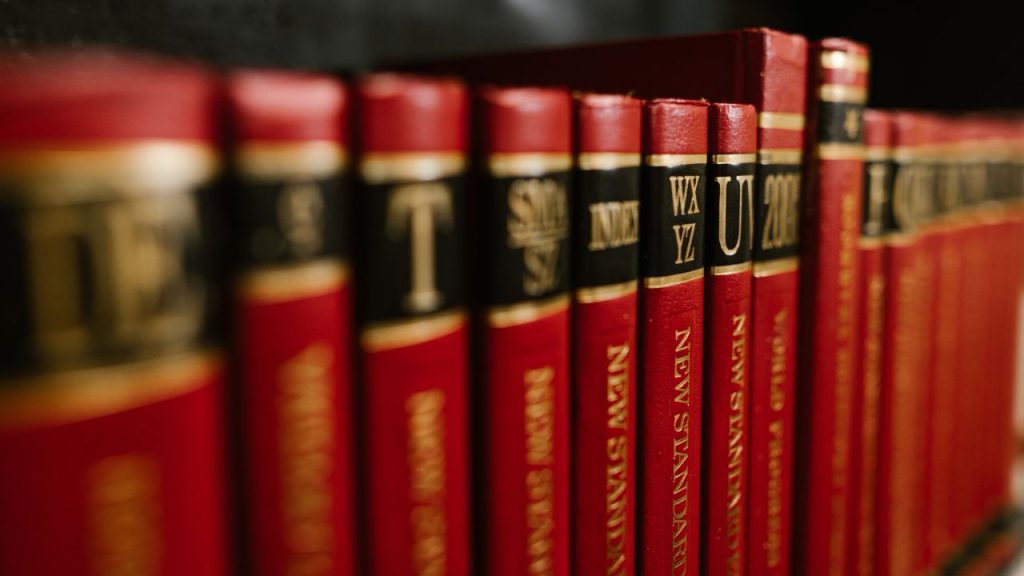
The best law books do not just sit on a shelf. They shape the way lawyers think, argue, and win.
Did you know Harvard Law School receives over 7,000 applications every year for fewer than 600 seats? The students who get in, and the ones who thrive after, almost always have one thing in common: they read widely and deeply. And the reading lists from schools like Harvard, Yale, Oxford, and Stanford are some of the most trusted guides in legal education.
So if you want to think like a lawyer or sharpen what you already know, these are the books worth your time.
Why Trust Law School Reading Lists?
Top law schools do not recommend books randomly. Their lists are built on decades of academic research, faculty expertise, and real-world legal outcomes. When Yale Law School calls Arthur Corbin’s “Corbin on Contracts” the greatest law book ever written, that is not marketing. That is a signal.
These are the best law books for law students, working attorneys, and curious minds alike.
10 Best Law Books You Should Read Right Now
1. To Kill a Mockingbird by Harper Lee
Yes, it is fiction. But Duke University Law School puts it on its pre-law reading list for a reason. It teaches empathy, moral courage, and the human cost of injustice. Every lawyer needs that foundation before they ever open a casebook.
2. About Law by Tony Honore
Oxford Scholastica calls this the first book a future law student should read. It breaks down what law actually is, why it exists, and how it shapes society. Simple, clear, and essential for anyone stepping into legal study.
3. Landmarks in the Law by Lord Denning
Lord Denning was one of England’s greatest judges. This book walks you through landmark cases and the thinking behind them. Oxford recommends it because it builds your legal instincts from the ground up. If you want to understand constitutional law books and how courts reason, start here.
4. 1L of a Ride by Andrew J. McClurg
This is one of the best law books for self-study before law school begins. It demystifies the first year, covers study strategy, case briefing, and emotional well-being. Law students across the US swear by it.
5. Deconstructing Legal Analysis by Peter T. Wendel
BARBRI, a trusted bar exam prep company, lists this as a must-read for incoming law students. It teaches you how to break down cases, write briefs, and build legal arguments. This is the backbone of law school thinking.
6. Bleak House by Charles Dickens
Another fiction pick, but an important one. Dickens wrote Bleak House as a biting criticism of the court system. Duke Law School includes it on its reading list. It shows how the legal system can protect or destroy ordinary people, and that perspective makes better lawyers.
7. Crime and Punishment by Fyodor Dostoevsky
This one appears on law school reading lists because it explores guilt, justice, and human psychology at a deep level. For anyone studying criminal law books, this is the philosophical foundation you did not know you needed.
8. The Concept of Law by H.L.A. Hart
This is widely regarded as one of the most important best law books of all time in legal philosophy. Harvard and Oxford both reference Hart’s work in their jurisprudence courses. It answers a question every law student eventually asks: What is law, really?
9. A Short and Happy Guide Series by Various Authors
This series covers Civil Procedure, Contracts, Torts, Property, and Constitutional Law. Each volume is written by a leading academic in that field. It is one of the best law books for beginners entering their first year, and professors at Emory, Harvard, and beyond recommend it widely.
10. Snow Falling on Cedars by David Guterson
Duke Law’s reading list includes this novel about a murder trial with layers of race, memory, and justice. It is a powerful reminder that law does not operate in a vacuum. It lives inside communities, cultures, and human stories.
Who Should Read These Books?
These picks are not just for law students. If you are a journalist covering court cases, understanding legal thinking can change how you report. In fact, fields like journalism law demand a working knowledge of media regulations, defamation, and press freedom. Reading the best law books recommended by lawyers gives you that edge without sitting through three years of law school.
Best Law Books by Category
If you want to build a more focused reading list, here is a quick breakdown:
- Best law books for beginners: About Law, 1L of a Ride, A Short and Happy Guide Series
- Best criminal law books: Crime and Punishment, To Kill a Mockingbird
- Best constitutional law books: Landmarks in the Law, The Concept of Law
- Best law books for self-study: Deconstructing Legal Analysis, 1L of a Ride
- Best law books of all time: The Concept of Law, Corbin on Contracts
Frequently Asked Questions
What is the best law book for beginners?
“About Law” by Tony Honore is widely recommended as the best law book for beginners. It explains what law is, how it works, and why it matters in plain, accessible language. Oxford Scholastica lists it as the first book aspiring law students should read.
Which law books do top law schools recommend?
Top law schools like Harvard, Yale, Oxford, and Duke recommend a mix of legal texts and literary fiction. Highlights include “Bleak House,” “To Kill a Mockingbird,” “The Concept of Law,” and Arthur Corbin’s “Corbin on Contracts.”
Are the best law books only for law students?
No. The best law books are valuable for anyone who wants to understand justice, rights, and how legal systems work. Journalists, policymakers, business owners, and curious readers all benefit from legal reading.
What is the best book to understand criminal law?
“Crime and Punishment” by Dostoevsky is a great starting point for understanding the psychology behind criminal law. For a more technical read, a dedicated criminal law textbook from the A Short and Happy Guide series is highly effective.
How many law books should I read before law school?
Most law school advisors suggest reading three to five books before starting. Focus on one foundational legal text, one law school prep guide like “1L of a Ride,” and at least one recommended piece of legal fiction.