

“Which tax law books actually move the needle and which just collect dust on your shelf?” That’s the question I want to help you answer today, in plain language you can use right away.
If you work anywhere near money, law, or business, the right tax law books can literally save you and your clients from penalties, audits, and ugly surprises. You and I both know tax rules change constantly, and smart professionals don’t guess. They build their edge on solid sources.
In this guide, I’ll walk you through the types of tax law books that serious people rely on, including best tax law books for beginners, advanced tax law books for professionals, and targeted options like tax law books for accountants and tax law books for law students.
Why Smart Professionals Still Rely on Tax Law Books
You might think, “Why do I need tax law books when I can Google anything?” I get that. But here’s the thing:
- Search results are scattered; good tax law books are structured.
- Online answers can be outdated; serious tax law books go through editorial review.
- Books force you to see the whole system, not just one line in the code.
For professionals like you, that structure is gold. If you are working with clients, running a firm, or training staff, you need consistent frameworks, not random snippets. That’s where curated tax law books for accountants and tax law books for law students really shine.
Well-chosen corporate tax law books, international tax law books, and federal income tax law books help you see patterns and plan instead of reacting at the last minute.
Core Types of Tax Law Books You Should Own
Let me break down the main buckets of tax law books a smart professional usually keeps on their shelf. You don’t need everything at once, but you should know what’s out there.
1. Best Tax Law Books for Beginners
If you’re early in your career, changing specialties, or mentoring juniors, solid best tax law books for beginners are essential. These usually:
- Explain the core concepts behind tax policy and practice
- Use simple examples and clear diagrams
- Show how rules apply in real life, not just theory
Think of these as your foundation. Once your basics are strong, all the other tax law books make more sense, and you make fewer mistakes under pressure.
2. Advanced Tax Law Books for Professionals
Once you’ve got the basics, you’ll want advanced tax law books for professionals that go much deeper. These typically:
- Analyze complex strategies and planning techniques
- Break down new rules and major reforms
- Explain how courts and regulators are interpreting the law
If you handle big clients, cross-border issues, or high-stakes planning, a few strong corporate tax law books and international tax law books in this category are not optional. They help you move from “compliant” to “strategic.”
3. Tax Law Books for Accountants and CPAs
If you’re an accountant or aiming for a certification, you need tax law books for accountants and CPA exam tax law books that match your day-to-day reality. These are usually:
- Focused on compliance, reporting, and practice problems
- Updated regularly with rate changes and new rules
- Aligned with exam or professional body requirements
If you’re sitting for the CPA, it’s smart to pick targeted CPA exam tax law books that mirror exam structure, rather than generic texts. This helps you learn exactly how the exam wants you to think about tax law.
4. Tax Law Books for Law Students and Lawyers
For law students, good tax law books for law students help you bridge the gap between dense casebooks and real client work. These often:
- Combine doctrine, cases, and policy debates
- Include questions that train you to “think like a tax lawyer.”
- Connect to specialized fields like estate and trust tax law books
If you’re on a tax law track, a mix of academic and practitioner-level tax law books gives you both exam success and career readiness.
5. Niche Titles for Business Owners and Specialists
Smart business owners and niche professionals also lean on focused small business tax law books, estate and trust tax law books, and practical federal income tax law books. These serve people who don’t want to be full-time tax experts but need to avoid costly mistakes.
If you’re advising entrepreneurs or high-net-worth clients, a couple of strong small business tax law books and estate and trust tax law books can give you a serious edge when structuring deals, compensation, or succession plans.
How to Choose the Right Tax Law Books for You
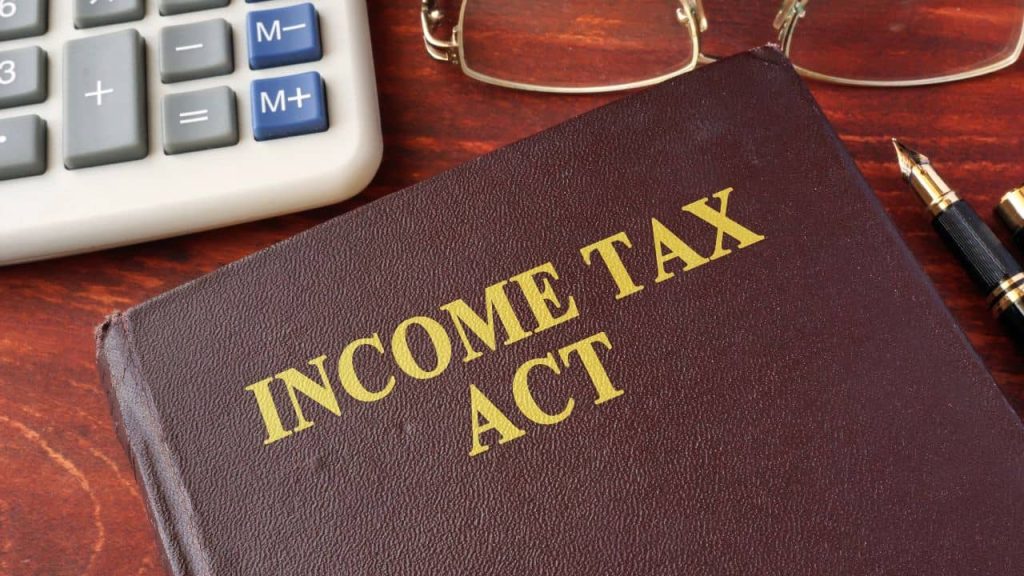
You don’t need a library to be effective. You just need the right few tax law books that match your goals and your level. Here’s a simple way to choose.
Step 1: Match the Book to Your Role
Ask yourself:
- Am I a student, accountant, lawyer, or business owner?
- Do I mainly handle local, national, or cross-border issues?
- Do I focus on individuals, corporations, or estates and trusts?
If you’re a CPA candidate, lean toward CPA exam tax law books and tax law books for accountants that follow exam blueprints. If you’re a JD or LLM student, prioritize tax law books for law students that align with your professors and courses.
Step 2: Check Depth vs. Practicality
Some tax law books are highly technical. Others are practical guides. Ideally, you own at least one of each in your main area:
- A practical, small business tax law book-style guide for real-world questions
- A more technical federal income tax law book or corporate tax law book-style treatise for complex work and research
This combination lets you answer quick questions fast and still dive deep when you need to.
Step 3: Look at Updates and Editions
Tax law moves fast. When you choose tax law books, check:
- Latest edition date
- Jurisdiction coverage
- Whether it’s updated annually or tied to specific reforms
For serious practice, you want current advanced tax law books for professionals and recent best tax law books for beginners, not something that predates major changes in your system.
EEAT: Why Your Sources Matter as Much as Your Skills
If you care about trust and credibility, you should care about the quality of your tax law books. Strong sources help you build authority and reduce risk.
Professionals who read widely across tax law books for accountants, corporate tax law books, and international tax law books can:
- Spot planning opportunities others miss
- Explain complex rules clearly to clients or teams
- Back up their advice with recognized references
If you create content, teach, or consult, your library of tax law books is part of your Expertise, Experience, Authoritativeness, and Trustworthiness in the eyes of clients and readers.
By the way, if you ever branch into other legal areas, you might also come across titles like the law of self-defense book, which focus on self-defense law rather than tax. That sort of crossover reminds you how deep and specialized each legal field really is, and why you can’t afford to “wing it” with taxes.
FAQs About Tax Law Books
What are the best tax law books for beginners?
The best tax law books for beginners are the ones that explain core concepts in simple language with real examples, before jumping into dense code sections. Look for beginner-friendly tax law books that cover income, deductions, credits, and basic planning without assuming advanced math or legal training.
Which tax law books should accountants read first?
Accountants should start with tax law books for accountants that match their country and type of work. Paired with CPA exam tax law books, these titles give you both exam-focused knowledge and practical guidance you can use with clients right away.
Do I need advanced tax law books as a small business owner?
You don’t usually need advanced tax law books for professionals as a small business owner. Instead, focus on clear, small business tax law books and practical federal income tax law books, style guides written for non-lawyers. If things get complex, that’s when you bring in a tax pro who uses advanced texts behind the scenes.
Are international tax law books necessary for most professionals?
If your clients or employers work only in one country, you may not need international tax law books right away. But if you deal with cross-border investments, remote teams, or global entities, at least one solid international-focused tax law book title becomes very important for spotting issues before they explode.
How often should I update my tax law books?
You should review your key tax law books at least every couple of years, and more often if your jurisdiction changes rules frequently. For advanced tax law books for professionals, it’s smart to track new editions or supplements, especially after major tax reforms or policy shifts.
If you pick just a few high-quality tax law books tailored to your role and keep them current, you’ll be far ahead of most people in your field. Your advice will be sharper, your decisions safer, and your value as a professional much higher.