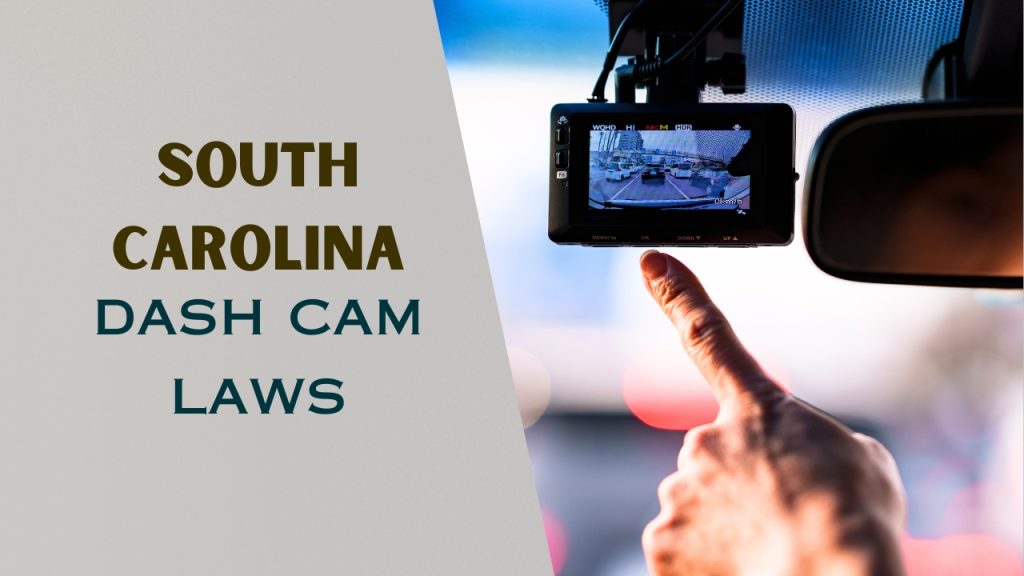
Many drivers in Columbia, Charleston, and Greenville are asking about South Carolina dash cam laws before mounting a camera on their windshield. Dash cams are legal in South Carolina, but placement, recording, and audio capture come with specific rules.
Whether you commute through Myrtle Beach traffic or drive rural roads near Spartanburg, a dash cam can protect you in an accident dispute or insurance claim. Knowing the legal boundaries helps you avoid trouble.
Who Can Legally Install and Use a Dash Cam
Any licensed driver in South Carolina may install and use a dash cam in a personal or commercial vehicle. No special permit is required.
Rideshare and delivery drivers in cities like Columbia often use dash cams for liability protection. Fleet and trucking employers may also require them, provided devices comply with state placement and recording rules.
Passengers generally cannot object to a driver’s dash cam use, though the recording laws below still apply to what gets captured.
Windshield Placement and Mounting Rules
South Carolina restricts objects that obstruct a driver’s clear view through the windshield. Dash cams should be mounted in a small area, typically near the top center or a lower corner, so they do not block the driver’s sightline.
Flag for verification: the exact obstruction dimensions and specific statute number governing windshield-mounted devices in South Carolina should be confirmed against current state code before publication.
Placing a dash cam near the rearview mirror mount, similar to a toll transponder or GPS unit, is generally a safe practice for staying compliant.
Recording and Privacy or Consent Laws
South Carolina is a one-party consent state for audio recording. As long as one party to a conversation, including the driver operating the dash cam, consents to being recorded, the recording is generally lawful.
This differs from two-party consent states, where everyone involved must agree before audio is recorded. In South Carolina, drivers can typically record conversations with passengers or during traffic stops without separate permission from everyone present.
Flag for verification: the exact statutory citation and any recent updates to South Carolina’s wiretapping and electronic surveillance law should be confirmed before publication.
Video recording of public roadways raises fewer privacy concerns than audio, since there is limited expectation of privacy in public spaces. Still, drivers should avoid using footage to harass or surveil specific individuals.
Penalties for Misuse or Improper Installation
Improperly mounting a dash cam in a way that blocks the driver’s view can result in a citation if it contributes to an obstructed-view violation. Officers in cities like North Charleston may flag unsafe devices during a stop.
Misusing dash cam audio, such as recording private conversations without any party’s consent or in violation of wiretapping law, can expose a driver to civil or criminal liability under South Carolina’s surveillance statutes.
Flag for verification: specific fine amounts and criminal penalty classifications tied to unlawful recording or windshield obstruction violations should be confirmed with current statutory language before publication.
Final Thoughts
Dash cams are useful for South Carolina drivers, offering evidence in accidents and peace of mind. Mounting the device correctly and understanding the state’s one-party consent law can help drivers avoid citations or disputes.
Before relying on dash cam footage in a legal matter, consult official South Carolina statutes or a licensed attorney for current requirements.
This article is for informational purposes only and does not constitute legal advice. Consult a licensed South Carolina attorney for guidance specific to your situation.