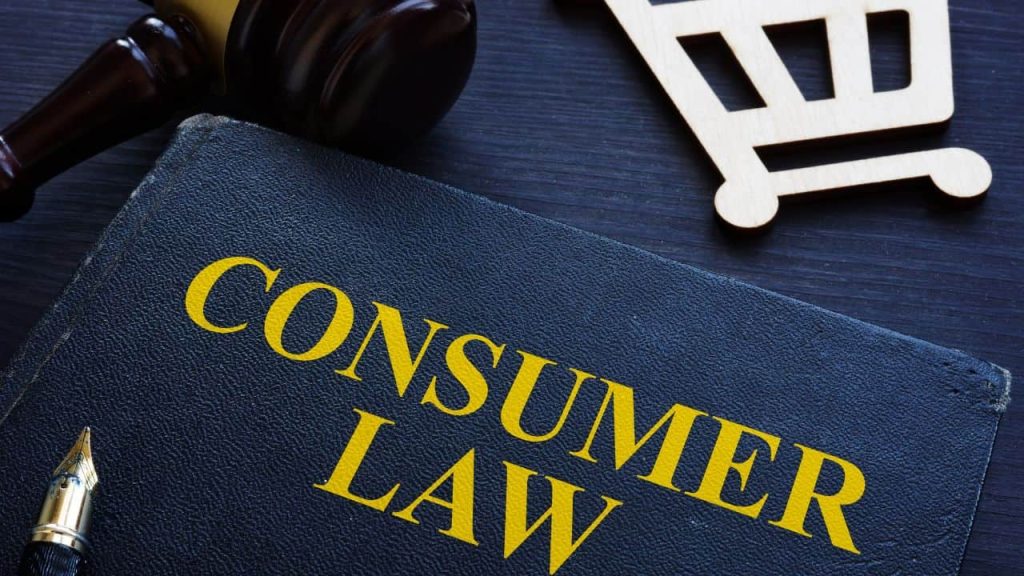
Did you know that over 70% of consumers don’t fully understand their legal rights when making purchases? Consumer law books can bridge this knowledge gap and empower you to protect yourself from unfair business practices, fraudulent schemes, and contract violations.
Whether you’re a law student, legal professional, or simply someone who wants to understand your rights better, consumer law books provide essential insights into protection laws, credit regulations, and warranty claims. I’ve compiled this guide to help you find the most valuable resources available today.
Why You Need Consumer Law Books
Understanding consumer protection isn’t just for lawyers. Every time you buy a product, sign a contract, or use a credit card, you’re entering into legal agreements. Best consumer law books give you the knowledge to spot red flags, challenge unfair terms, and seek remedies when things go wrong.
These resources cover everything from basic consumer rights legal guides to complex case studies that shape modern commerce. You’ll learn about federal regulations, state-specific protections (including specialized topics like Maryland magazine capacity laws for those interested in state-level regulations), and practical strategies for resolving disputes.
Top Consumer Law Books Worth Your Time
Consumer Protection Law: Cases and Materials
This comprehensive textbook on consumer law serves as the foundation for understanding legal frameworks. It covers landmark cases, statutory interpretations, and evolving regulations that define consumer-business relationships. Law professors frequently use this resource because it breaks down complex legal principles into digestible sections.
The book explores credit protection, deceptive advertising laws, product liability, and enforcement mechanisms. You’ll find real-world examples that illustrate how courts apply consumer protection act books principles to everyday situations.
Best Selling Consumer Law Books for Practitioners
Consumer law practice guides have become essential tools for attorneys handling protection cases. These resources offer step-by-step procedures for filing complaints, negotiating settlements, and representing clients in disputes. They include sample pleadings, discovery templates, and tactical advice based on successful case outcomes.
What makes these best-selling consumer law books valuable is their practical approach. Instead of just theory, you get actionable strategies that work in actual courtroom settings and mediation sessions.
Consumer Credit Law Books
Credit regulations form a massive part of consumer protection law textbooks. These specialized books dive deep into the Fair Credit Reporting Act, Truth in Lending Act, and Fair Debt Collection Practices Act. You’ll understand how lenders must disclose terms, what constitutes predatory lending, and how to dispute errors on credit reports.
For anyone dealing with debt, loans, or credit card issues, consumer credit law books provide clarity on your rights and creditor obligations. The information can save you thousands of dollars and protect your financial future.
Consumer Warranty Law Books
When products fail, warranty protections kick in. Consumer warranty law books explain the differences between express and implied warranties, manufacturer obligations, and remedies available when companies refuse to honor guarantees. These resources cover both the Magnuson-Moss Warranty Act and state-level lemon laws.
You’ll learn when you’re entitled to repairs, replacements, or refunds, and how to document claims effectively. This knowledge proves invaluable when dealing with defective vehicles, appliances, or electronics.
Consumer Law Study Materials for Students
If you’re pursuing legal education, specialized consumer law study materials help you master this complex field. These resources include outlines, practice questions, and exam preparation tools designed specifically for law school courses.
Top consumer law books in this category focus on building analytical skills. You’ll learn to identify issues, apply relevant statutes, and construct persuasive arguments about consumer rights violations.
What Makes Great Consumer Law Books
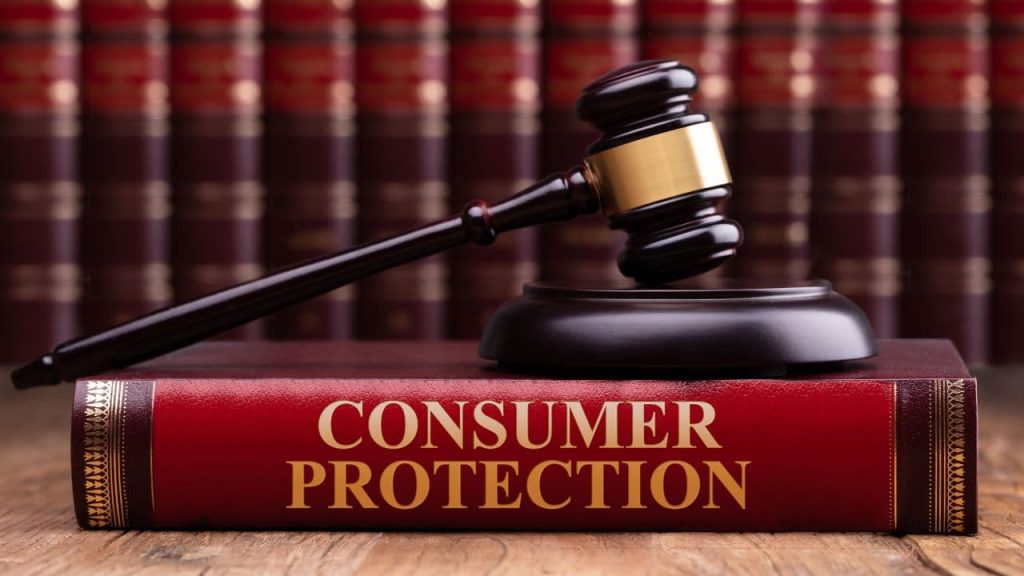
The most effective consumer rights law books share several characteristics. First, they use plain language to explain legal concepts without oversimplifying important details. Second, they provide current information that reflects recent court decisions and legislative changes.
Third, quality consumer protection books include practical examples and case studies that show how laws apply in real situations. Fourth, they offer actionable guidance rather than just theoretical knowledge. Finally, the best resources acknowledge different perspectives and present balanced viewpoints on controversial topics.
How to Choose the Right Book for Your Needs
Consumer law for beginners looks different from advanced practitioner guides. Start by identifying your goals. Are you studying for an exam, handling a specific legal issue, or building general knowledge?
Students benefit most from consumer law cases and materials that prepare them for classroom discussions and exams. Legal professionals need consumer law practice guides with forms, procedures, and tactical advice. General readers should seek accessible consumer rights legal guides that explain protections without legal jargon.
Check publication dates because consumer protection laws evolve rapidly. A book from five years ago might miss critical updates to regulations or landmark court decisions that changed how laws are interpreted.
Building Your Consumer Law Library
You don’t need every book on the market. A solid foundation includes one comprehensive textbook on consumer law, one practical guide focused on your jurisdiction, and one specialized resource addressing your specific interests, whether that’s credit, warranties, or fraud protection.
Best consumer law books complement each other. Pair theoretical resources with practical guides. Combine federal law overviews with state-specific materials. This approach gives you both breadth and depth in understanding consumer protections.
Frequently Asked Questions
What are consumer law books used for?
Consumer law books educate readers about legal protections when purchasing goods and services. They cover rights, remedies, and procedures for addressing unfair business practices, helping consumers, students, and legal professionals understand protection regulations.
Which consumer law book is best for beginners?
Consumer law for beginners should use plain language and focus on practical applications. Look for introductory consumer rights legal guides that explain basic protections without complex legal terminology or advanced case analysis.
Do consumer law books cover state-specific regulations?
Many consumer protection law textbooks address both federal laws and state variations. Some books specialize in particular jurisdictions, providing detailed coverage of state-level protections, enforcement procedures, and local court precedents.
How often are consumer law books updated?
Quality consumer law books receive updates every 2-3 years to reflect new legislation and court decisions. Best-selling consumer law books from major legal publishers typically release annual editions or supplemental updates.
Can consumer law books help with actual legal problems?
Yes, consumer law practice guides provide actionable strategies for resolving disputes. While they don’t replace professional legal advice for complex matters, they help you understand your rights and available remedies when facing consumer issues.
Final Thoughts
Consumer law books represent investments in knowledge that pay dividends throughout your life. Whether you’re protecting yourself from scams, advancing your legal career, or simply becoming a more informed consumer, these resources provide the foundation you need.
The right books empower you to recognize violations, assert your rights confidently, and navigate the complex landscape of consumer protections. Start with one quality resource that matches your needs, then expand your library as your knowledge grows. Your future self will thank you for taking this step toward legal literacy.