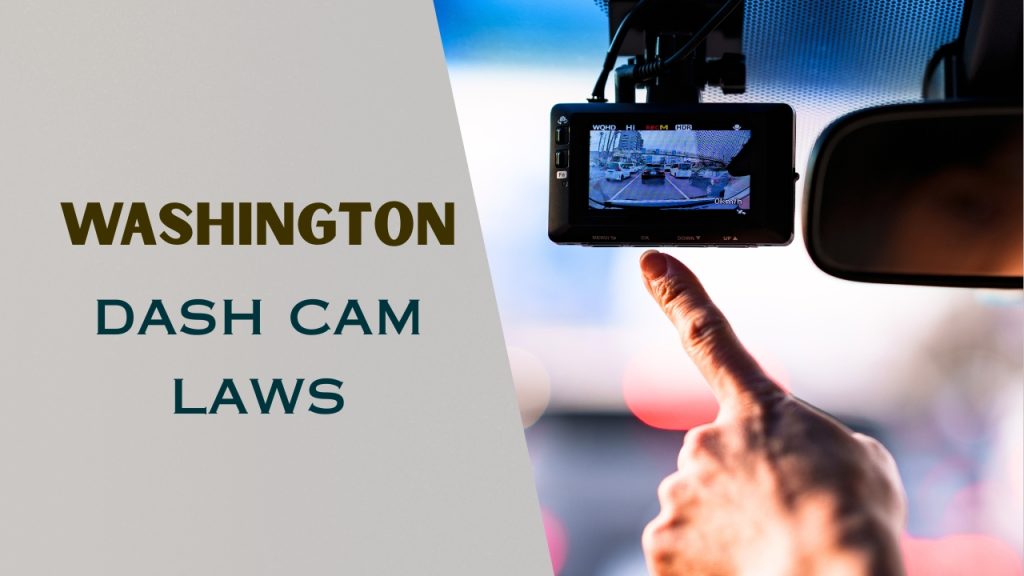
Many drivers in Seattle and Spokane ask about Washington dash cam laws before mounting a camera on their windshield. The short answer is that dash cams are legal, but placement and audio recording come with real restrictions. Washington treats windshield obstructions and conversation privacy as separate issues, and a dash cam can run afoul of either one if installed or used carelessly.
This guide covers who can use a dash cam, where it can be mounted, how recording and consent laws apply, and what penalties follow misuse.
Who Can Legally Install and Use a Dash Cam
Any driver in Washington, whether in Tacoma, Vancouver, or Bellingham, can legally install a dash cam in a personal vehicle. There is no special permit required for private use.
Rideshare and commercial drivers face additional scrutiny. Companies like Uber and Lyft have their own recording policies, and commercial fleets often layer company rules on top of state law. Drivers should confirm employer policy before recording passengers.
Windshield Placement and Mounting Rules
Washington restricts objects that obstruct a driver’s clear view through the windshield. Dash cams are generally allowed if mounted in a small area, typically near the top center or a lower corner, that does not block forward sightlines.
The exact permissible mounting zone and any size limits under Washington’s obstruction statute should be independently verified before publication, since local interpretation can vary.
Suction and adhesive mounts are both common. Either should sit outside the wiper sweep and away from airbag deployment zones.
Recording and Privacy or Consent Laws
Washington is a two-party, or all-party, consent state under its privacy statute. This means recording a private conversation generally requires the consent of everyone involved, not just the person doing the recording.
Video-only dash cam footage of public roads, like traffic in Olympia or Everett, is treated differently than audio recordings of private conversations. Capturing traffic footage through a windshield generally does not raise the same consent concerns as recording audio inside the cabin when passengers have an expectation of privacy.
Drivers who plan to record audio, including conversations with rideshare passengers, should give clear notice that recording is happening. A visible sign or verbal disclosure is common practice for establishing consent.
The specific penalties tied to Washington’s privacy statute, including whether unauthorized audio recording is charged as a gross misdemeanor and any associated fine ranges, should be confirmed before this article goes live.
Penalties for Misuse or Improper Installation
Two categories of risk apply to dash cam users in Washington. The first involves windshield obstruction violations, which are typically treated as traffic infractions carrying a fine if the mount blocks the driver’s view.
The second involves unauthorized audio recording of private conversations. Violating the state’s consent requirement can expose a driver to criminal liability and potential civil claims from the person recorded without permission.
Improper use of dash cam footage, such as publishing recordings that violate someone’s reasonable expectation of privacy, can also create separate liability outside the recording statute itself.
Final Thoughts
Washington dash cam laws allow drivers broad freedom to record their daily commute, but the state’s strict consent requirement for audio makes it different from many other states. Mounting the camera out of the driver’s sightline and being transparent about audio recording are the two habits that keep dash cam use on the right side of the law.
This article is for informational purposes only and does not constitute legal advice. Consult a licensed Washington attorney for guidance specific to your situation.