
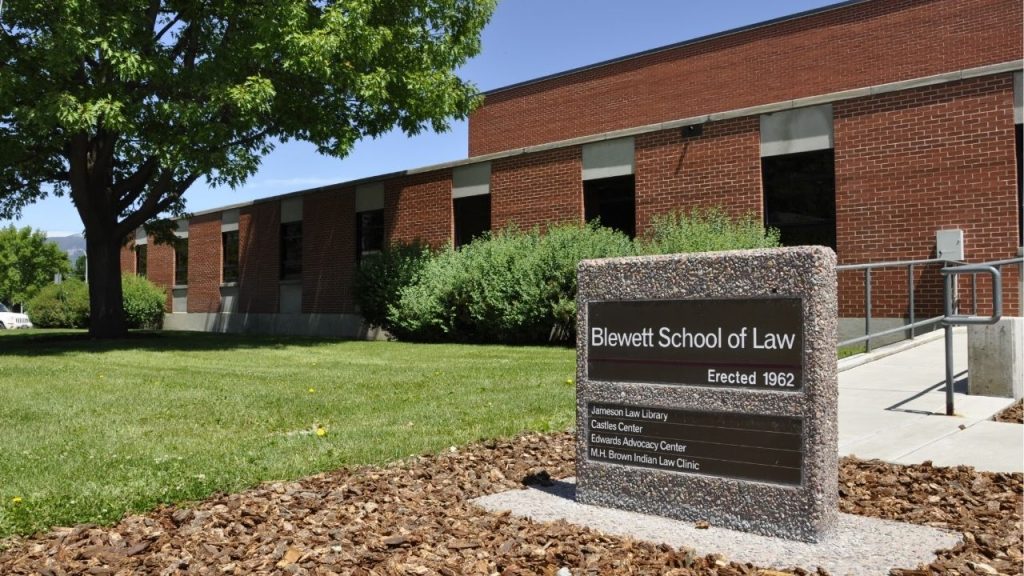
What does it take to get into Alexander Blewett III School of Law? The university of montana law school acceptance rate is one of the most searched questions among prospective students weighing their odds at Montana’s only law school. This guide breaks down the current admissions landscape, including LSAT and GPA benchmarks, class size trends, and practical strategies to strengthen your application.
Overview of This Law School
The University of Montana’s Alexander Blewett III School of Law, based in Missoula, is a public law school known for small class sizes, hands-on clinical programs, and strong ties to Montana’s legal community. It suits students interested in natural resources law, Indian law, and rural or small-city practice.
Because the school enrolls a small class each year, admissions decisions often weigh personal fit and demonstrated interest in Montana alongside numerical credentials.
Admitted Students’ Score Range
Based on the most recently available cycle data, admitted students typically show this profile.
LSAT Scores
The median LSAT score generally falls in the 152 to 155 range, with the middle 50 percent spanning roughly from the high 140s to upper 150s.
GPA Scores
The median undergraduate GPA is typically around 3.5, with the middle 50 percent ranging from about 3.2 to 3.7.
These figures reflect recent trends and can shift year to year, so verify current numbers before applying.
Class Size and Acceptance Rate
The University of Montana Law School enrolls a small class, typically between 60 and 75 students per year, keeping the learning environment intimate.
Recent cycles have seen a few hundred applicants competing for these seats. Based on recently reported figures, the acceptance rate has hovered around 40 to 50 percent, though this fluctuates with applicant pool size and yield each year. Because the pool is smaller than at many national law schools, individual application strength can meaningfully influence outcomes.
How to Increase Your Chances of Acceptance
LSAT Prep Strategy
Start preparing at least three months before your test date. Use official LSAC practice tests, track your score trends by section, and focus extra time on your weakest area, whether that is logical reasoning or reading comprehension.
Personal Statement Advice
Write a personal statement that explains why Montana specifically fits your goals. Mention interests like natural resources law, Indian law, or rural practice if genuine, since fit matters to this program.
Letters of Recommendation
Choose recommenders who know your academic or professional work closely, such as a professor or supervisor. A detailed, specific letter carries more weight than one from a high-profile name who barely knows you.
Work Experience
Relevant work or internship experience, particularly in legal, government, or public service settings, can strengthen an application, especially for candidates with a lower GPA or LSAT score.
Application Timing
Apply early in the cycle, ideally by December or January. Rolling admissions mean earlier applicants often have better odds as seats fill.
Final Thoughts and Quick Summary
The University of Montana law school acceptance rate reflects a program balancing selectivity with accessibility for well-prepared applicants. A median LSAT near 152 to 155 and median GPA near 3.5, paired with a strong personal statement and solid recommendations, can position candidates competitively.
Admissions statistics vary from year to year. Prospective applicants should confirm current LSAT, GPA, and acceptance rate figures directly on the University of Montana’s official admissions page or the school’s ABA 509 disclosure report before applying. This article is for informational purposes only and does not constitute legal or admissions advice.