
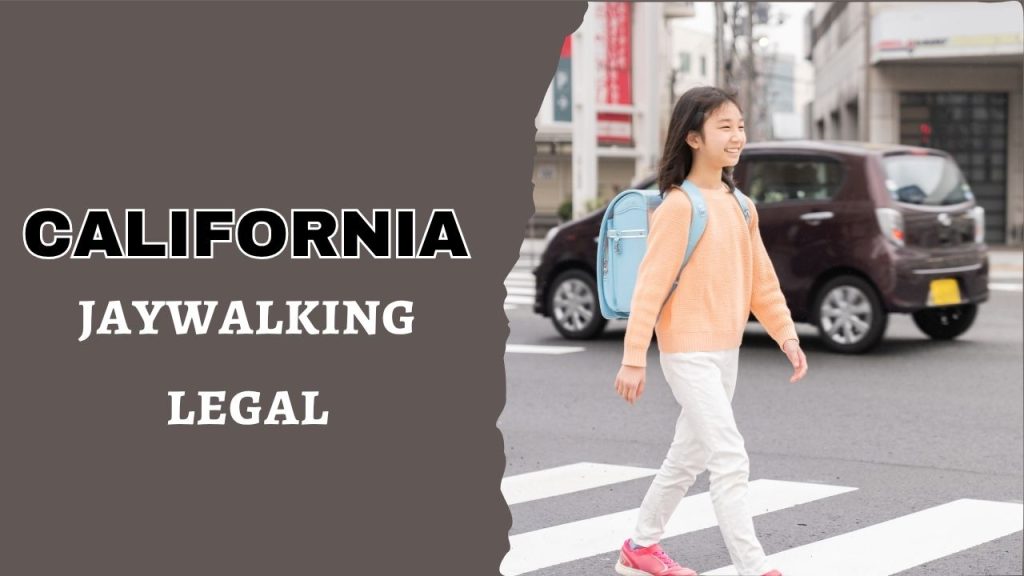
If you have ever crossed a street in Los Angeles, San Francisco, or Sacramento without using a marked crosswalk, you may be wondering, is jaywalking legal in California right now.
The short answer is yes, in most cases, thanks to a state law that changed how pedestrians are treated on California roads. This guide breaks down what the law actually says, when you can still get ticketed, and how crosswalk rules apply across the state in 2026.
What the Freedom to Walk Act Changed
California decriminalized most jaywalking through the Freedom to Walk Act, which took effect on January 1, 2023, and remains in force in 2026. Before this law, pedestrians could be cited simply for crossing outside a crosswalk, even when there was no traffic nearby. Now, officers can only issue a citation if a pedestrian crosses in a way that creates an immediate safety hazard, such as stepping in front of a moving vehicle that has little time to stop.
Why California Changed the Law
Lawmakers found that jaywalking enforcement disproportionately affected pedestrians in certain communities and rarely improved safety. The goal was to let officers focus on genuinely dangerous crossings instead of routine jaywalking that posed no real risk.
When Jaywalking Is Still Illegal in California
Jaywalking is not entirely legal everywhere in the state. You can still be cited if you:
- Cross against a traffic signal in a way that forces a car to brake suddenly
- Walk into traffic when a vehicle is close enough that a collision is likely
- Cross in areas near schools where local ordinances impose stricter rules
- Ignore posted signs prohibiting pedestrian crossing in a specific zone
Crosswalk Rules Pedestrians Should Know
California law still gives crosswalks legal significance, even with relaxed jaywalking rules.
- Marked crosswalks exist at painted intersections and mid block locations.
- Unmarked crosswalks are legally recognized at most intersections, even without paint.
- Drivers must yield to pedestrians who have already entered a crosswalk, whether marked or unmarked.
- Pedestrians must still exercise reasonable care and cannot suddenly step into a driver’s path.
Fines and Penalties for Unsafe Crossing
If a pedestrian is cited for an unsafe crossing rather than routine jaywalking, fines typically range from around 25 to 250 dollars depending on the city and whether it is a first offense. Some California cities, including Los Angeles and San Diego, may add local administrative fees on top of the base fine.
Does This Law Apply Statewide
Yes. The Freedom to Walk Act applies across California, from major cities like San Francisco and Sacramento to smaller towns. However, local municipalities can still enforce specific safety ordinances near schools, hospitals, or construction zones.
Tips for Pedestrians in California
- Use marked crosswalks when available, especially near busy intersections.
- Make eye contact with drivers before crossing outside a crosswalk.
- Avoid crossing directly in front of fast moving or oncoming traffic.
- Be extra cautious at night or in low visibility conditions.
Final Thoughts
So, is jaywalking legal in California in 2026? For the most part, yes, as long as you are not creating an immediate danger to yourself or drivers. Understanding crosswalk rules and knowing when unsafe crossing citations can still apply will help California pedestrians stay both legal and safe on the road.